Dubai’s climate is unlike almost anywhere else. Summer temperatures regularly exceed 45°C, evaporation rates are extreme, and sandstorms deposit fine particles that standard filters struggle to catch.
These conditions make pools here far more demanding than those in moderate climates. If you own a pool in Dubai and you have not had a professional pool assessment recently, there is a good chance at least a few of these mistakes are already costing you money.
This guide covers the 10 most overlooked home and houses swimming pool mistakes that residents make, and exactly what to do about each one.
The 10 Hidden Swimming Pool Maintenance Mistakes Dubai Homeowners Make
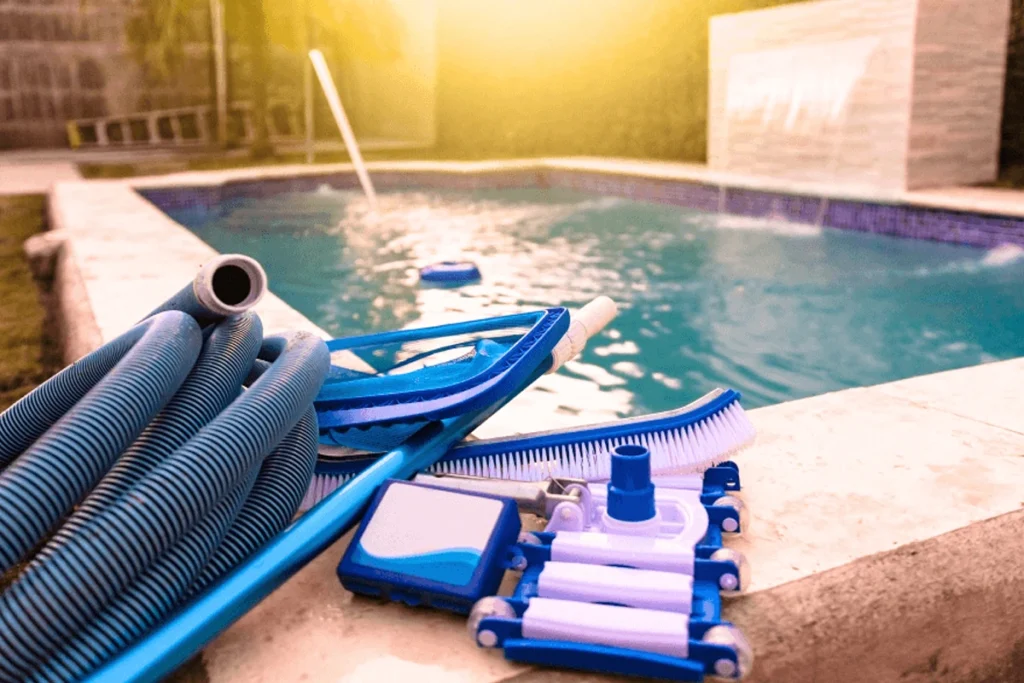
Some of these will surprise you. Others you may have already noticed but pushed aside. Either way, each one carries a real cost if left unaddressed. Here are ten most common Swimming pool maintenance mistakes people make:
1. Testing pH Only Once a Week
Weekly pH testing sounds responsible. In most countries, it might be enough. It is not the case in Dubai. Heat increases the chemical reactions in water and a pool that was balanced on Monday can move a long way on Wednesday.
Above pH 7.8, chlorine becomes practically ineffective even when the chlorine concentration appears to be normal on the test strip. Bacteria are left alive, algae spores are deposited, and swimmers emerge with sore eyes and skin. A fall in pH below 7.2 causes the water to be corrosive and silently eat up the metal fittings and grouting of your pool.
Check your pH after two or three days in summer. It lasts five minutes and can save thousands in expensive repairs.
2. Ignoring Saltwater Corrosion Around the Pool
Salt chlorination systems are popular in Dubai for good reason. They have a softer feel, and lessen the necessity of handling the chemicals, and they are also generally less harsh on the swimmers. What most of the private swimming pool owners fail to consider is the corrosive impact salt has on the surrounding materials.
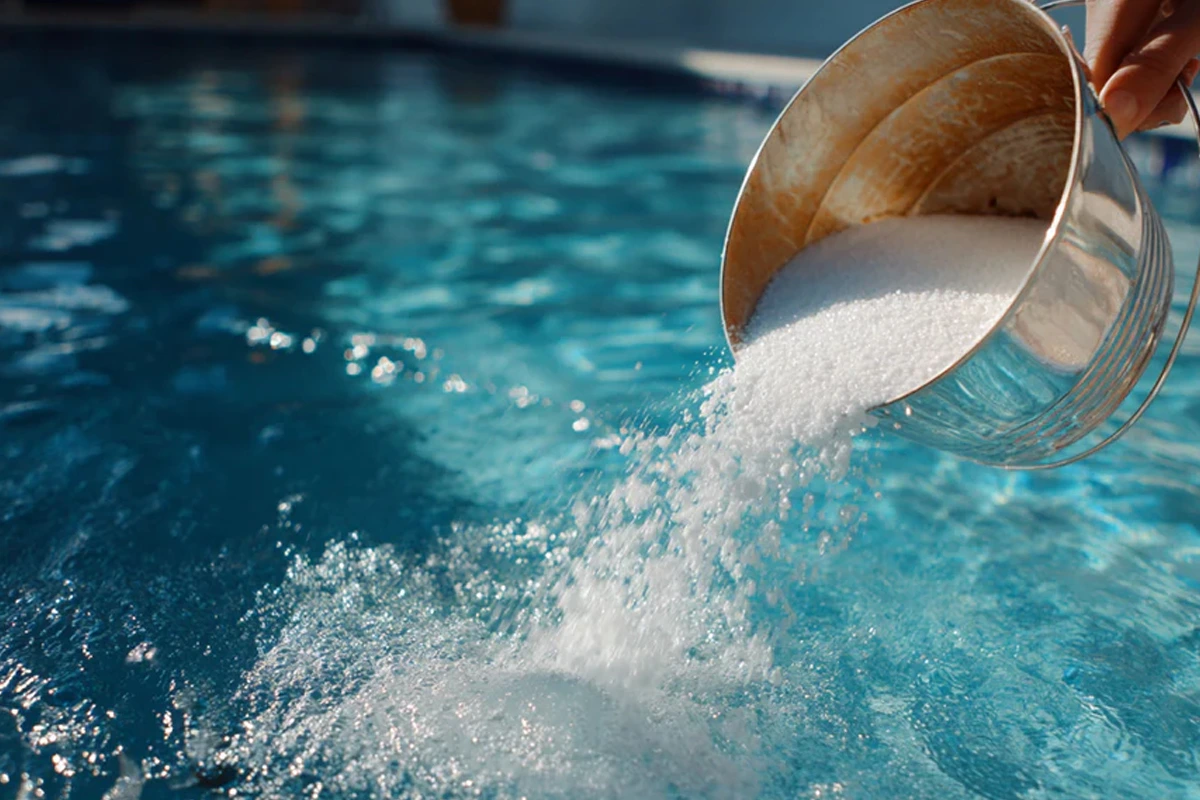
Salt mist accumulates with time on metal railings, outdoor furniture, light fixtures and natural stone decking. The damage is gradual and often dismissed as normal weathering. By the time it becomes visible, replacement rather than repair is the only option.
Rinse your pool surrounds with fresh water weekly. Check metal fixtures every season and apply protective coatings where needed.
3. Skipping Filter Cleaning After Sandstorms
A sandstorm may only take a few hours, but the effects it has on your pool can last weeks. The fine desert dust that is characteristic of Dubai is not normal debris. The particles are small enough to pass through certain filter media, and they are deposited in layers that restrict the flow of water far more than would leaves or insects.
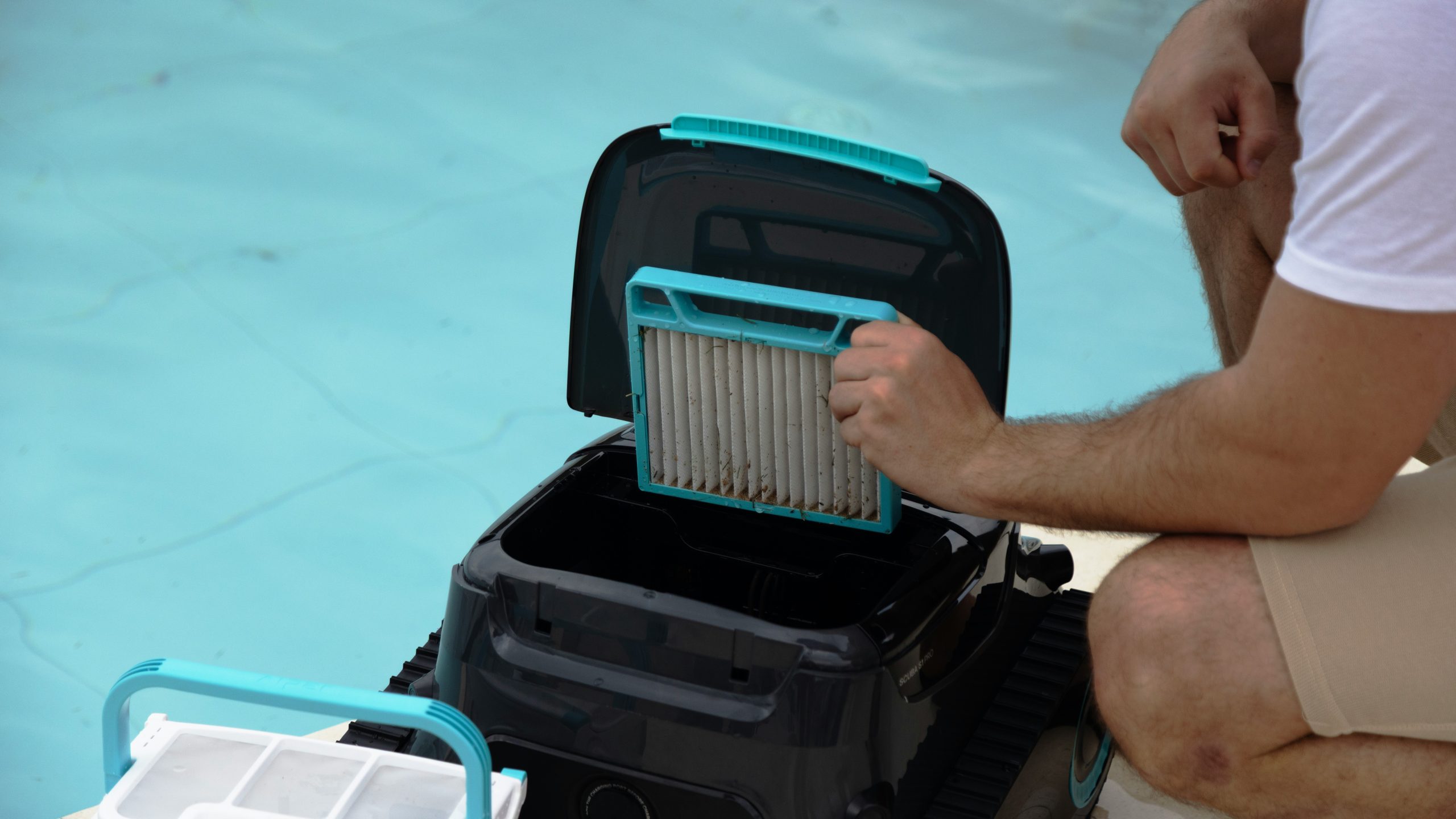
When the filter becomes clogged, it causes the pump to put in more effort. Increased work will result in increased consumption of energy, production of more heat in the motor and the pump itself will have a much shorter life span. This is one of the most common swimming pool maintenance mistakes seen across Dubai properties.
After every sandstorm, inspect and clean your filter. Do not wait for the pressure gauge to tell you there is a problem.
4. Running the Pump for Too Short a Time
Many homeowners cut pump run times to save on electricity. It makes financial sense on paper. In practice, it is a false economy.
During the summer months in Dubai, your swimming pool water must circulate completely at least once every 24 hours to avoid stagnation and growth of algae. In most residential pools, it translates to having the pump on between eight and twelve hours per day. Operating it for four to five hours is not only inadequate, but it sets up conditions in which algae can establish themselves almost overnight.
Set your pump to operate in two independent cycles in case of necessity. This keeps circulation consistent without running continuously during peak heat hours.
5. Not Shocking the Pool After Heavy Use
Pool shocking is one of those tasks that sounds dramatic but is actually simple chemistry. It means adding a large dose of chlorine to break down combined chloramines, the compounds that form when chlorine bonds with sweat, sunscreen, and other organic matter introduced by swimmers.
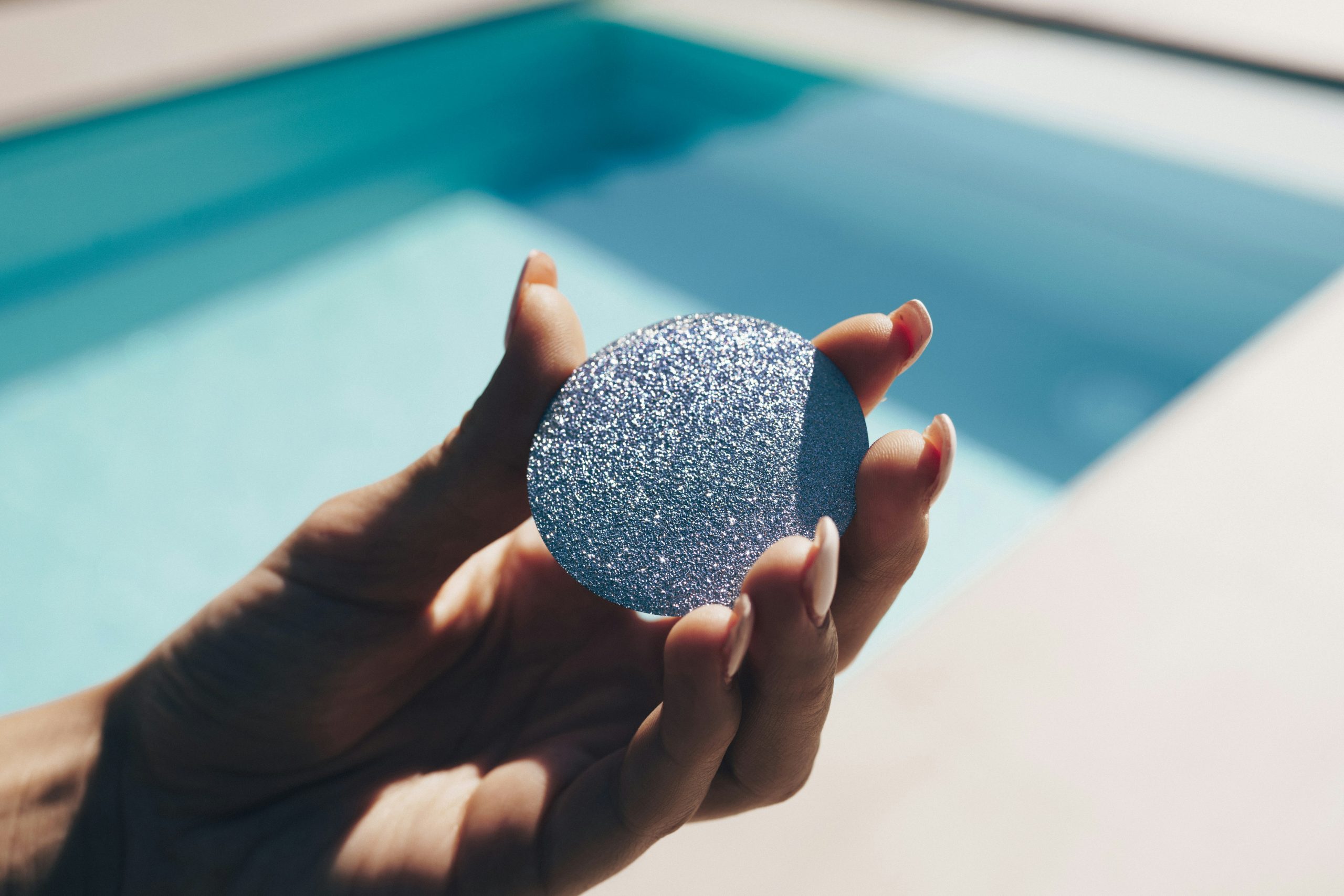
Skipping this step is among the most common swimming pool maintenance mistakes in Dubai, particularly after gatherings or pool parties. The water may look clean. It may even smell of chlorine. But without shocking, the water is harboring compounds that reduce sanitisation effectiveness and cause the unpleasant chlorine smell that people mistakenly associate with a clean pool.
Shock your pool after every heavy use, after a sandstorm, or whenever the water appears slightly hazy.
6. Refilling with Untreated or Poor-Quality Water
Evaporation in Dubai is relentless. During peak summer, a pool can lose several centimetres of water per week. That water needs to be replaced regularly, and the quality of the replacement water matters enormously.
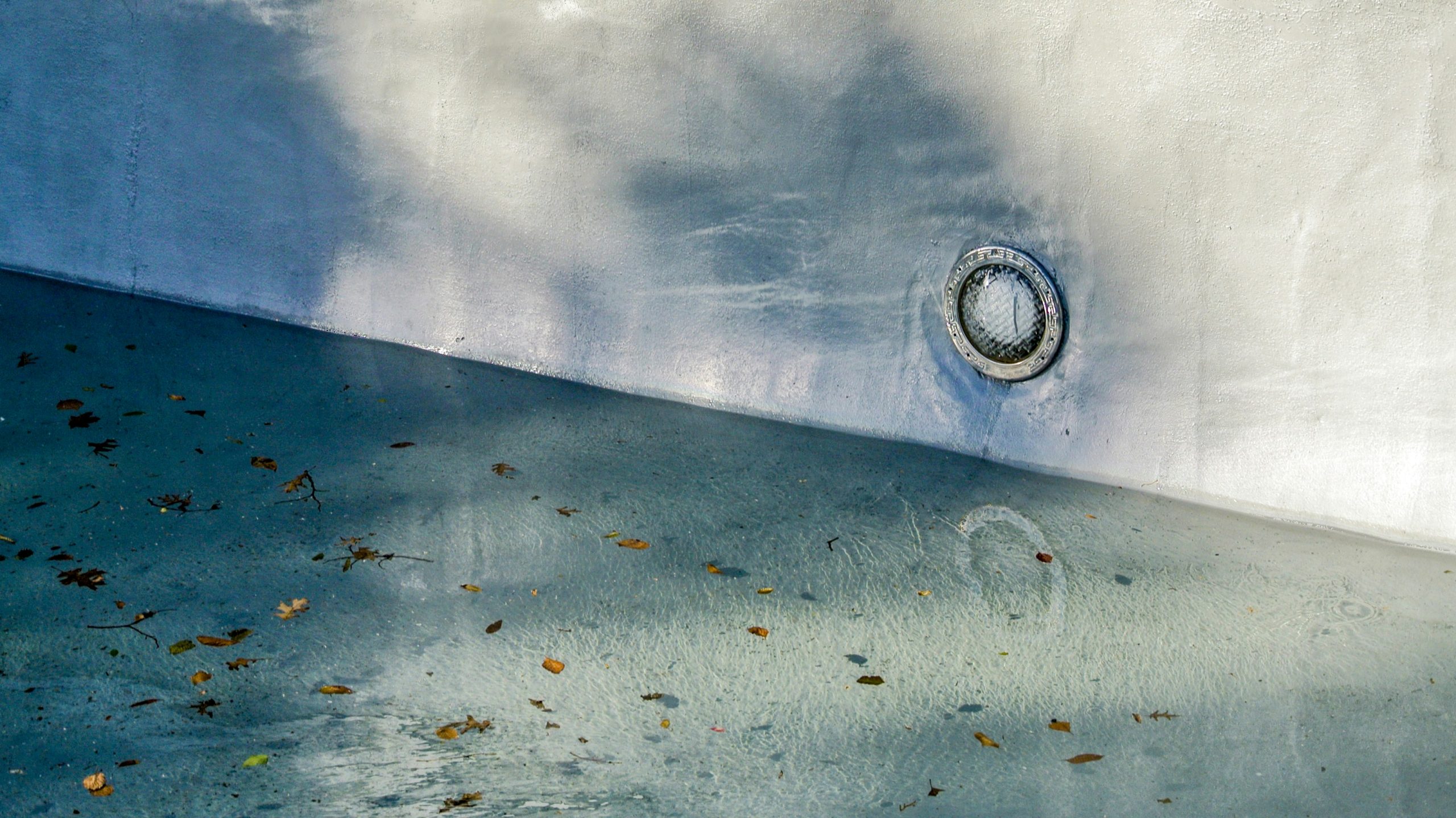
Tap water in Dubai is treated but contains elevated levels of dissolved minerals. Tanker water quality varies considerably depending on the supplier. Choosing a reliable, cheap swimming pool water tanker supplier in Dubai is not just about saving money; it is about ensuring the water you add does not introduce contaminants or disrupt your pool’s chemical balance.
Always test and treat refilled water before adding it to your pool. Even a single large top-up of poorly balanced water can take days to correct.
7. Ignoring Calcium Scaling on Waterline Tiles
Look at the waterline of almost any pool in Dubai that has not had recent professional attention and you will likely see a white or grey crust forming on the tiles. This is calcium scale, and most homeowners treat it as cosmetic.

It is not. Calcium scale is a sign that your water’s calcium hardness level is too high. Left unchecked, it does not just stay on the tiles. It builds up inside pipes, restricts flow to the pump, and calcifies on pool heater elements, reducing their efficiency dramatically. This is one of the most underestimated indoor and in-ground swimming pool mistakes across Dubai’s residential properties.
Keep calcium hardness between 200 and 400 ppm. Use a scale inhibitor regularly and remove existing deposits with a specialist tile cleaner before they harden further.
8. Delaying Equipment Inspections Until Something Breaks
Pool equipment in Dubai works under considerably more stress than in cooler climates. Pump motors, heaters, chlorinators, and automatic cleaners all operate in ambient temperatures that can exceed 50°C in summer. Seals dry out faster. Bearings wear more quickly. Electronic components degrade.
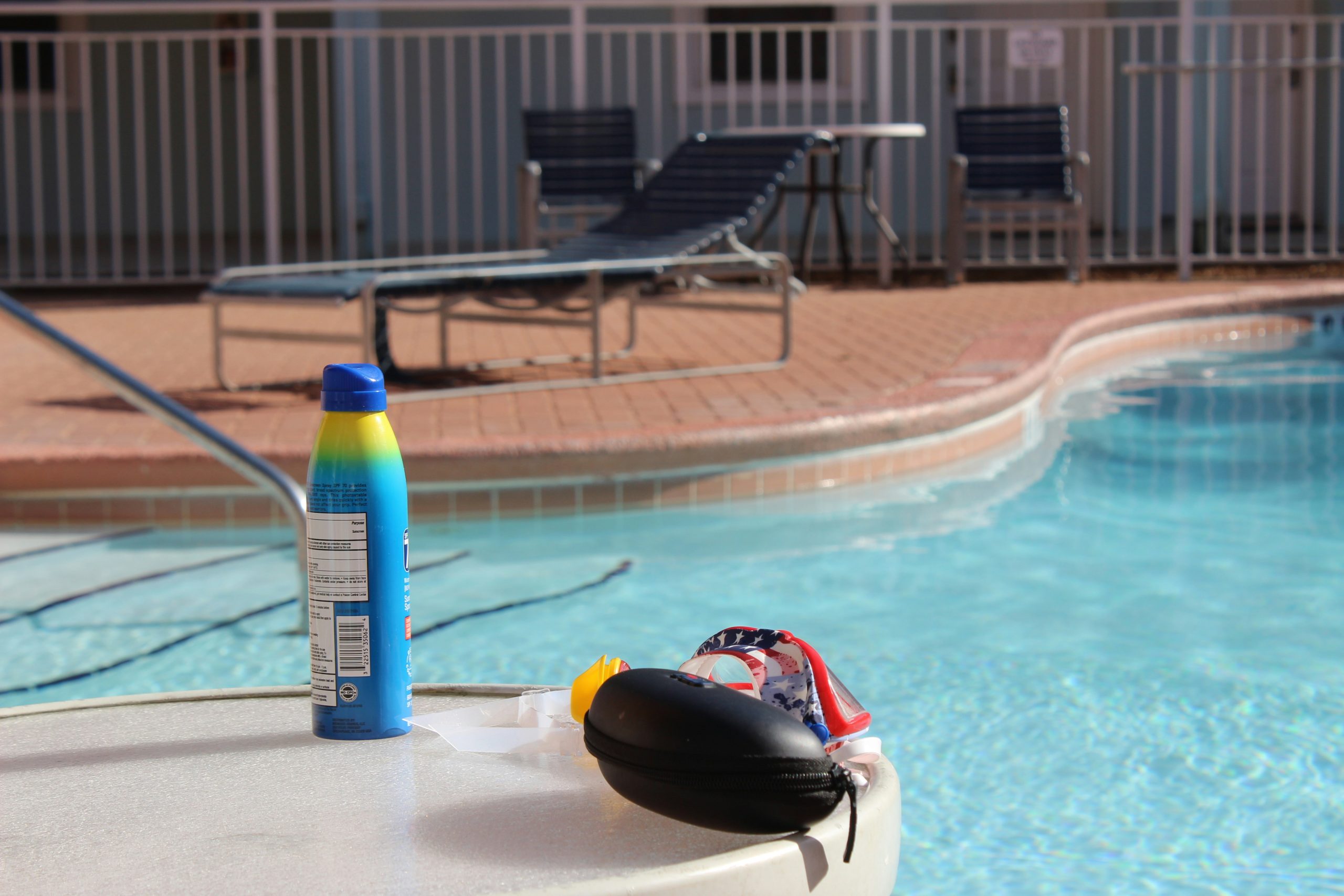
Waiting for a failure before scheduling an inspection is one of the costlier residential swimming pool mistakes homeowners make. A pump that fails mid-summer can leave a pool without circulation for days, during which algae can fully establish itself. Top swimming pool contractors in Dubai recommends bi-annual equipment checks, once before summer and once before winter, to catch degradation early.
Book professional inspections proactively. The cost is a fraction of emergency repair or full equipment replacement.
9. Not Using a Pool Cover
Pool covers are used far less frequently in Dubai than the climate warrants. The assumption is that they are unnecessary in a hot country. The opposite is true.
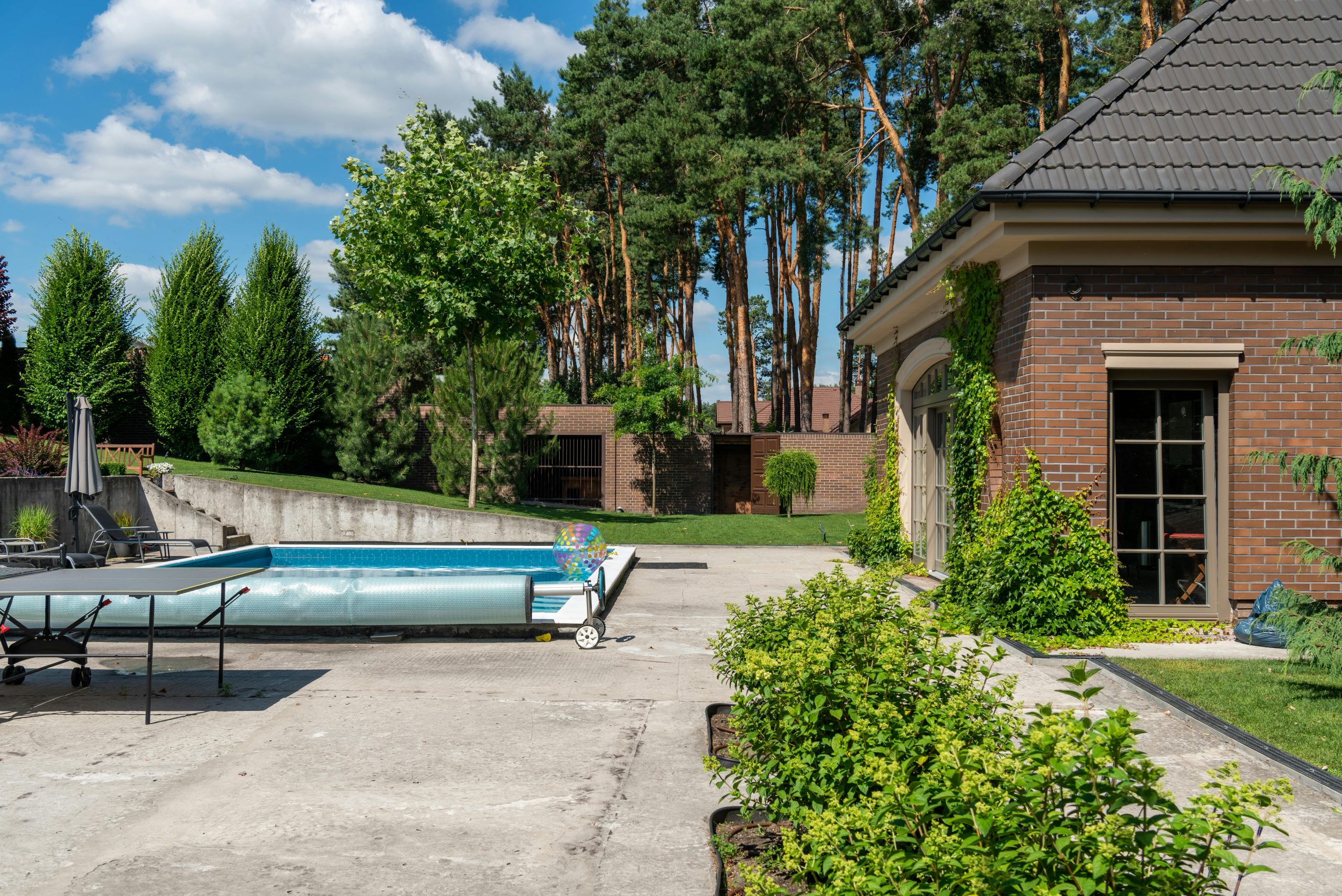
A quality pool cover can reduce water evaporation by up to 70 percent, cut chemical consumption significantly, and block the fine dust that settles overnight. For indoor and in-ground swimming pool owners especially, covers also reduce humidity in enclosed spaces, protecting structural elements over time.
Even a basic solar cover pays for itself quickly through reduced water and chemical costs. Use it whenever the pool is not in use.
Here are details about: best automatic pool covers for safety of your pool
10. Treating All Maintenance as a DIY Task
This is perhaps the most significant of all hidden swimming pool maintenance mistakes. There is nothing wrong with handling basic cleaning yourself. But pools have systems, plumbing, and chemistry that require trained eyes to properly assess.
Small leaks in the plumbing can go undetected for months while silently eroding the surrounding ground. Subtle changes in water chemistry that a homeowner might not notice can cause long-term damage to pool surfaces. Hairline cracks in the shell can be invisible at ground level but obvious to a professional.
Scheduling professional maintenance at least once a month is not excessive. It is the standard that protects your investment and keeps the pool genuinely safe for your family.
For Professional hiring we discuss all the key aspects in our blog: tips for hiring pool maintenance expert
Quick Reference: Mistakes vs Risk Level
Take a quick look at the table below and you will understand the hidden swimming pool maintenance mistakes and how much they put your pool to risk.
| Mistake | Risk Level | If Left Ignored |
| pH tested only weekly | High | Bacterial growth, equipment corrosion |
| Salt corrosion ignored | Medium | Fixture damage, structural deterioration |
| Filter not cleaned post-sandstorm | High | Pump failure, poor water quality |
| Short pump run times | High | Algae bloom, stagnant water |
| No shock treatment | Medium | Ineffective sanitation, cloudy water |
| Poor refill water quality | Medium | Chemical imbalance, contamination |
| Calcium scale on tiles | Medium | Pipe blockages, heater failure |
| No equipment inspection | High | Sudden breakdown, costly repair |
| No pool cover | Low-Med | Excess evaporation, chemical waste |
| Fully DIY maintenance | High | Missed leaks, hidden structural damage |
Practical Steps to Avoid These Hidden Swimming Pool Maintenance Mistakes
Avoiding these errors does not require hours of effort every day. A consistent routine makes all the difference.
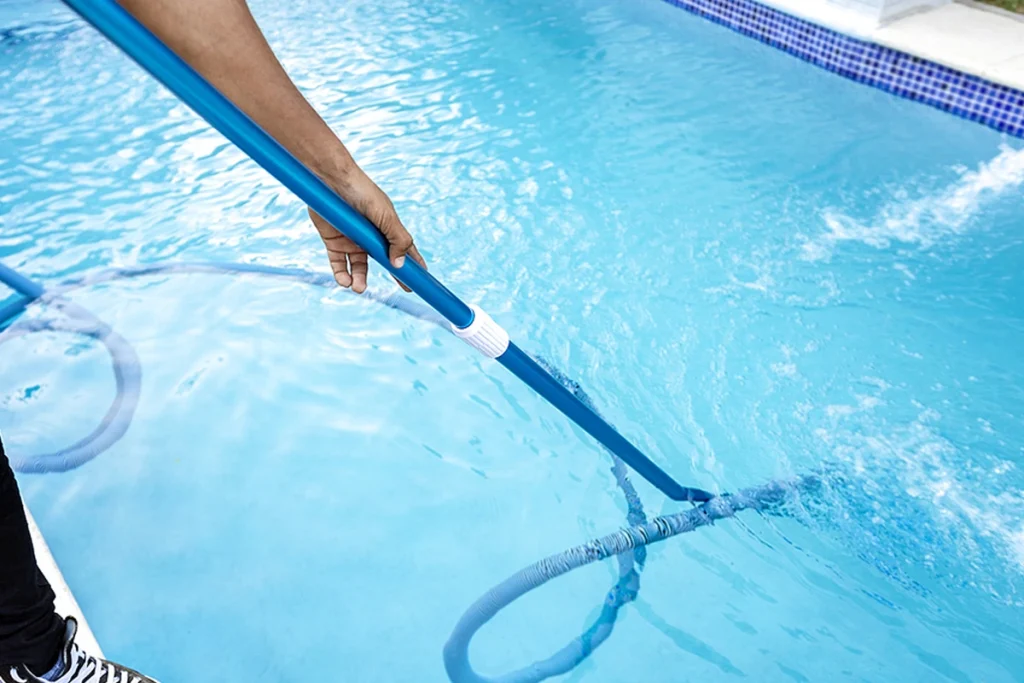
Here is a simple framework that works well for Dubai homeowners:
- Test pH and chlorine levels every 2 to 3 days during summer months
- Clean or backwash the filter every 2 weeks, and immediately after every sandstorm
- Run the pump for a minimum of 8 hours per day in summer, split across two cycles if preferred
- Shock the pool after every heavy use and after any major weather event
- Cover the pool every night or whenever it is not in use
- Check waterline tiles monthly and treat any scaling before it hardens
- Book professional servicing at least once per month, not just when something goes wrong
Following these steps consistently will extend the life of your pool equipment, reduce long-term costs, and keep the water genuinely safe for daily use.
Bottom Line!
These hidden swimming pool maintenance mistakes are easy to overlook but expensive to fix once they take hold. Dubai’s heat and hard water give pool problems very little time to stay small.
Act on them early, build a consistent routine, and when in doubt, get professional eyes on your pool and get in touch with the best swimming pool maintenance in Dubai, which will spot what most homeowners miss, before it costs them.
Frequently Asked Questions
1. How often should I check my pool’s chemical levels in Dubai?
Test pH and chlorine every 2 to 3 days in summer. Dubai’s heat shifts water chemistry faster than most homeowners expect.
2. What are the most common swimming pool maintenance mistakes Dubai homeowners make?
Skipping filter cleaning after sandstorms, running pumps too briefly, ignoring calcium scaling, and delaying professional inspections are among the most frequent and costly oversights.
3. Why does my Dubai pool turn green so quickly?
Insufficient pump run time and skipped shock treatments allow algae to establish fast. Dubai’s heat accelerates growth significantly compared to cooler climates.
4. How much water does a Dubai pool lose to evaporation?
A pool can lose several centimetres per week in peak summer. Using a pool cover reduces that loss by up to 70 percent.
5. When should I call a professional pool maintenance company instead of handling it myself?
Any time you notice cloudy water, scaling, equipment noise, or it has been over a month since your last professional inspection.