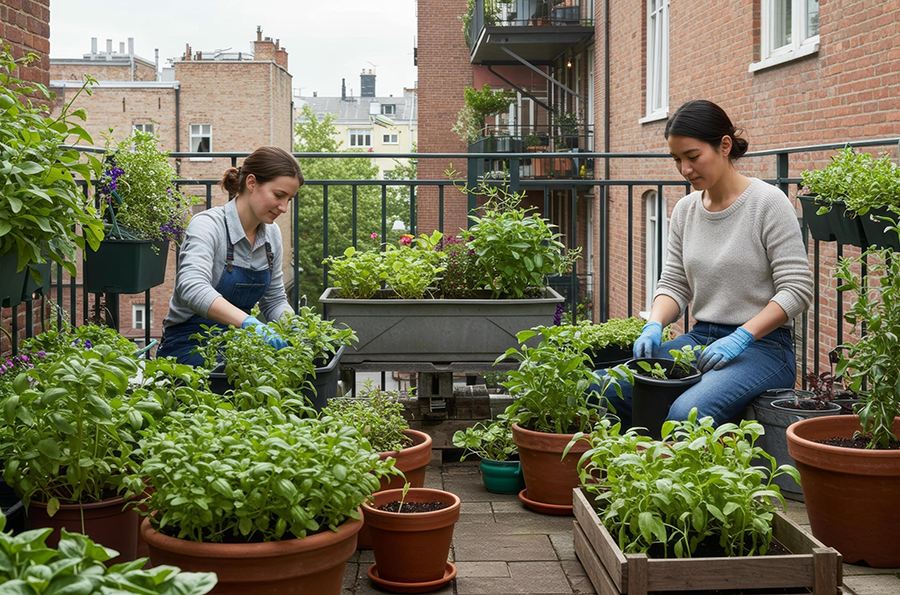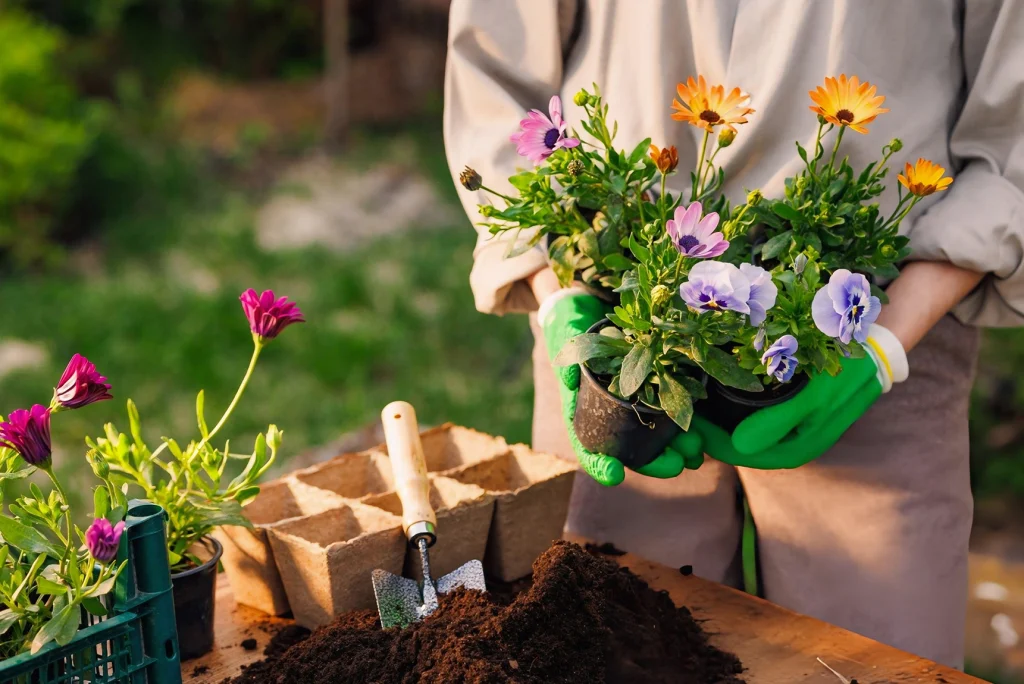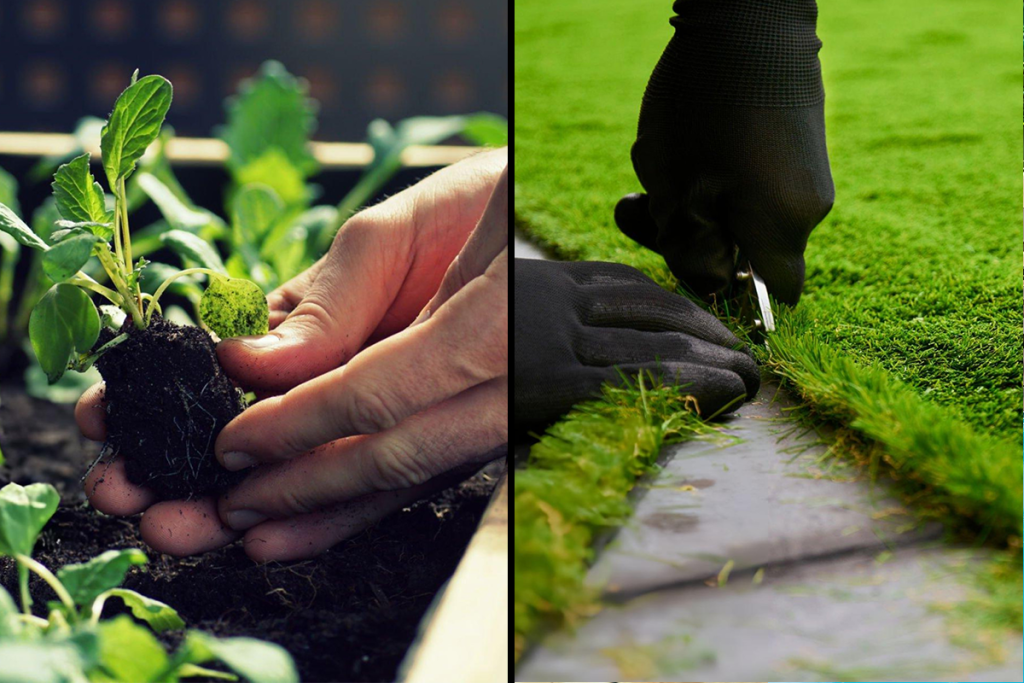
The discussion of traditional gardening vs artificial grass is not a recent one, yet it is more topical than ever before. Traditional gardening involves actual soil, living plants and natural cycles of growth, rewarding care and attention. Artificial grass, however, is an artificial turf that is designed to resemble a lush and, green grass all year round and requires practically no maintenance.
The core difference is simple: one is alive and the other is not. Each is brilliant in its own place. Natural gardens are bright in cooler and water-abundant climates when homeowners can spare time to care for them. Artificial grass prevails in hot and dry places such as Dubai, on roofs, in busy places and for anyone who has a tight schedule and cannot afford to have grass that requires regular attention.
Neither is the wrong choice. This guide helps you figure out which one is the right choice for you.
What is Traditional Gardening?
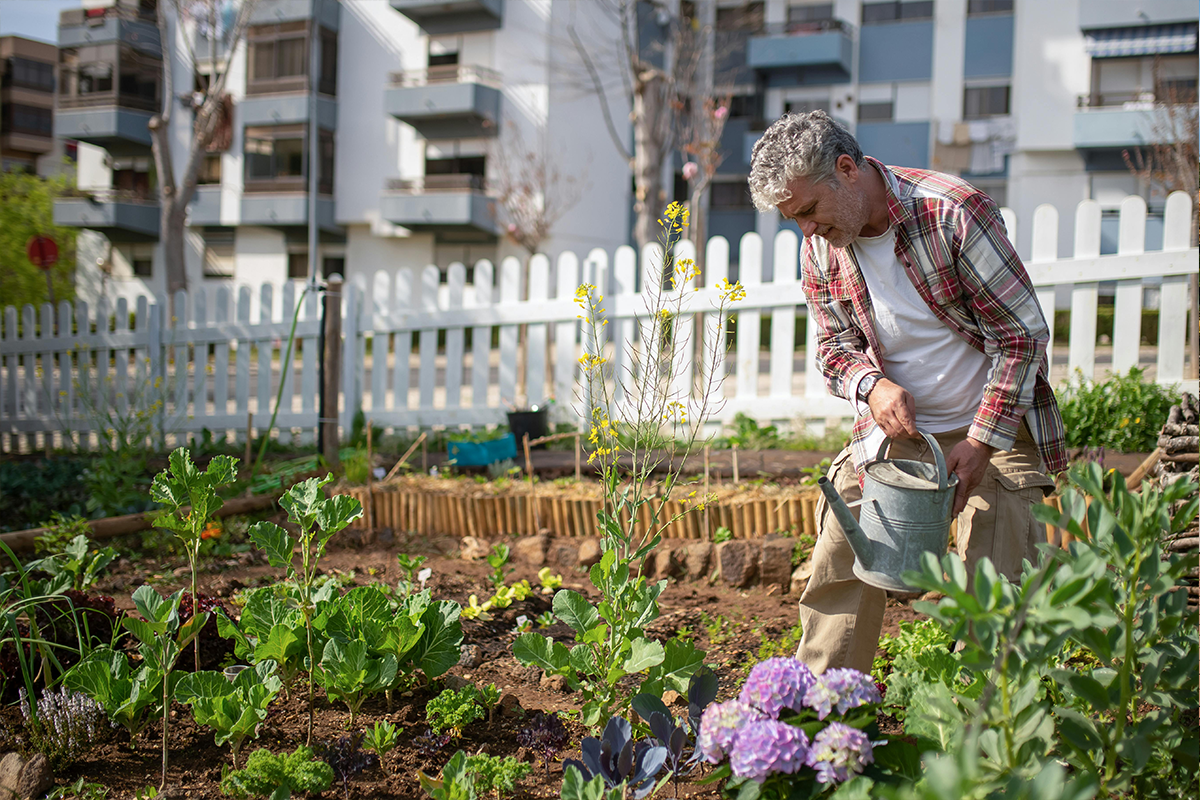
Traditional gardening involves the use of living soil, actual plants and natural growth cycles. It includes all the green lawns, flower beds, vegetable gardens, hedges and ornamental shrubs. A real garden is a very intimate thing to many individuals. It is very fulfilling to see a thing that is developing due to your effort and concern.
It is best liked by individuals who like to spend time outdoors, have time to invest in frequent maintenance and desire a seasonal-changing space. In cooler, wetter climates, traditional gardens thrive with relatively little intervention. In dry areas, though, they require much more resources.
What is Artificial Grass?
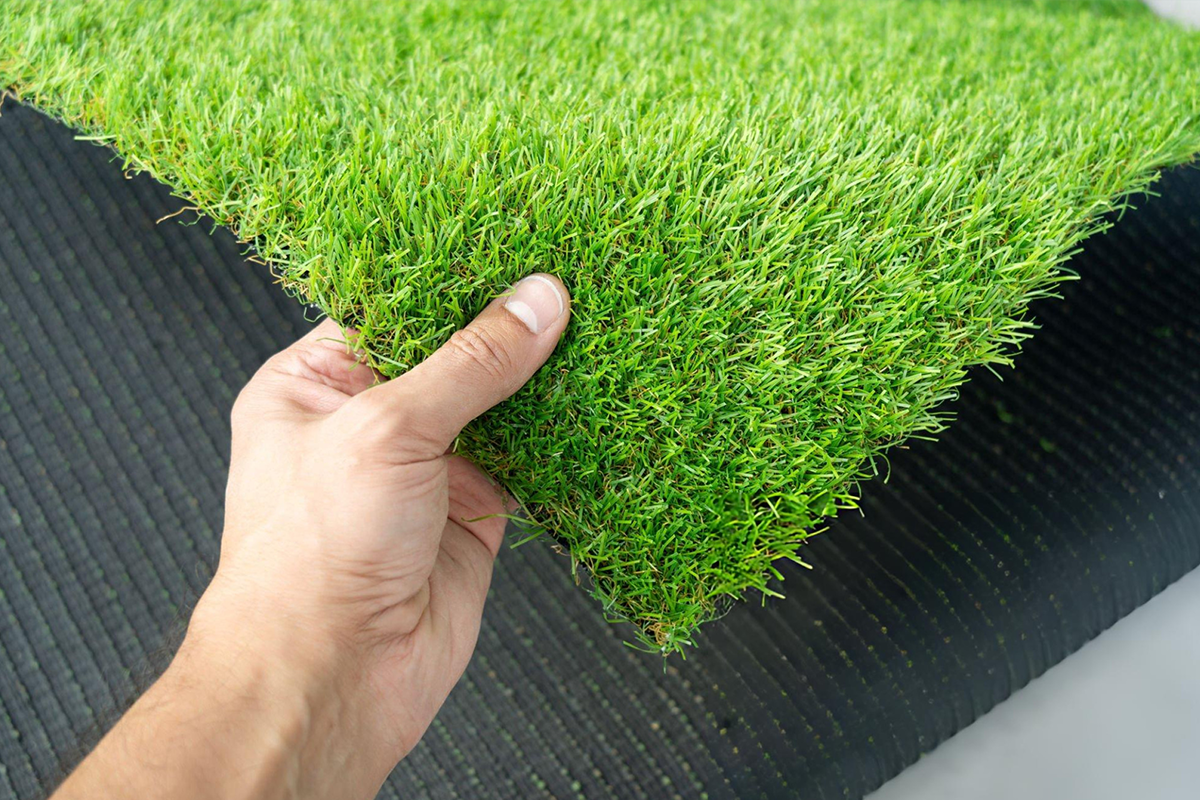
Artificial grass is synthetic grass that is made of plastic fibers, usually polyethylene or polypropylene, created to resemble the appearance and feel of natural grass. Today, we have products that are easy to walk on, aesthetically pleasing, and designed to last more than ten years.
Its demand has surged significantly in the Gulf region and in the urban centers around the world. The one reason that busy professionals, family owners with kids, and commercial property owners are attracted to it is that it looks fantastic with virtually no maintenance effort necessary.
Traditional Gardening vs Artificial Grass: The Full Comparison.
This is the heart of the matter. A genuine comparison between traditional gardening and artificial grass has to be honest about the trade-offs on both sides.
Appearance and Aesthetics
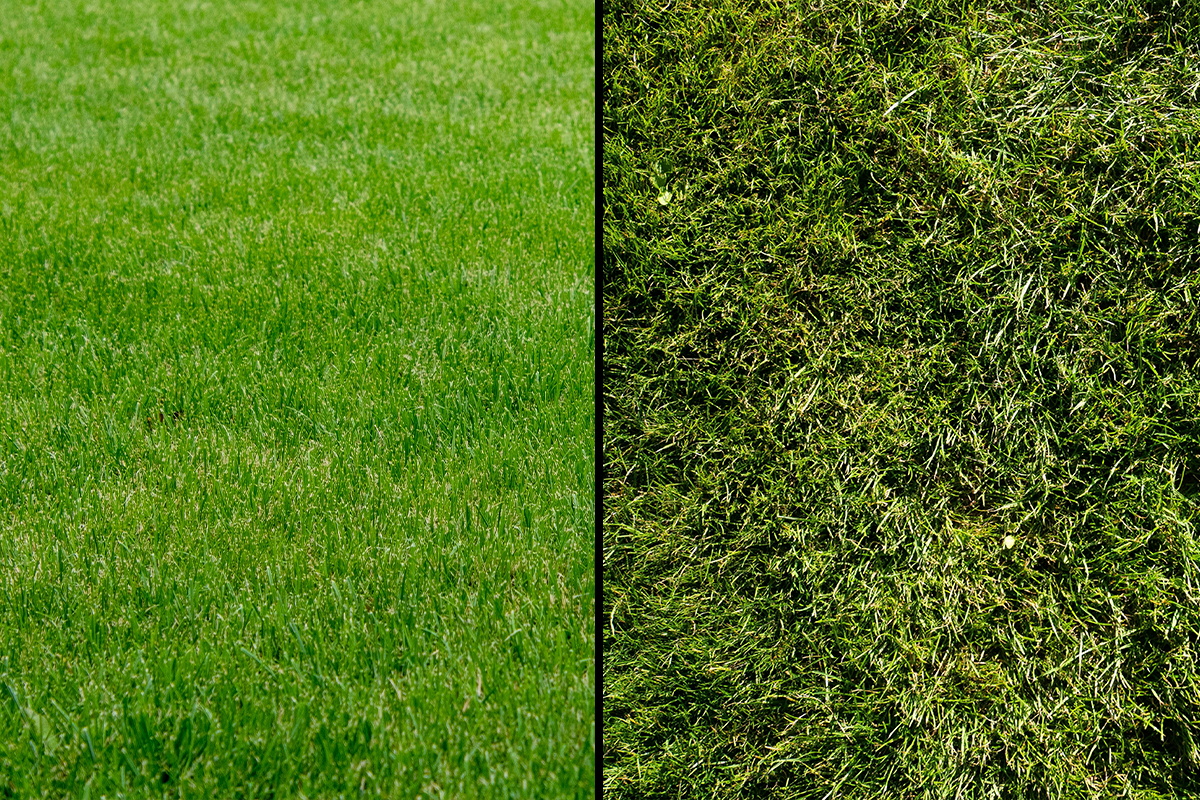
A flourishing natural garden is truly beautiful in such a manner that no artificial product can be able to match. The texture is different, flowers open, leaves change with the wind. It is alive. Still, it requires serious effort to maintain it in that appearance in a severe climate.
Artificial grass, on the other hand, appears greener all year round and in all weather conditions. During the harsh summers in Dubai, natural grass may turn patchy and yellow in a few weeks, whereas artificial turf remains full and green throughout the year with no special care.
Maintenance and Effort
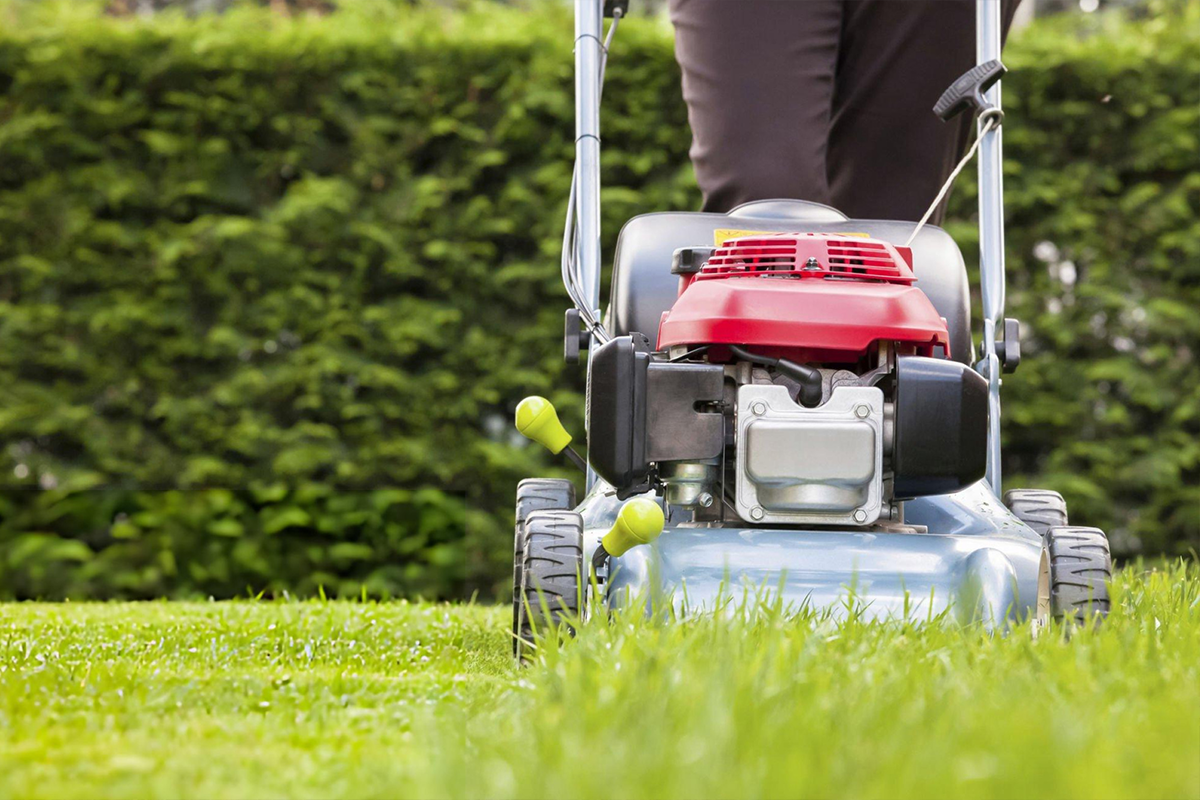
Real gardens need regular watering, mowing, weeding, fertilizing, and pest control. For some people, that is a joy. For others, it is a burden. If you rely on the best gardening maintenance services in Dubai to keep your natural garden in shape, those recurring costs add up quickly over months and years.
Artificial grass needs almost none of that. A periodic brush to keep fibers upright and an occasional rinse is typically all it requires. For busy households, that simplicity is a genuine relief.
Water Consumption and Environmental Effects.
This is where the differences between traditional gardening and artificial grass become especially stark in arid climates. An average natural lawn in Dubai needs thousands of liters of water monthly to survive. That is both an environmental and financial expense that many can hardly justify.
Grasses that are artificial do not need any irrigation. In terms of water conservation, it is a much more responsible option in areas where there is a lack of water. With that said, the production of synthetic turf has its own environmental footprint, and disposal is an aspect to be considered at the end of its life.
Cost: Short vs Long-term.
Natural gardens typically have a lower initial cost to establish. Plants, soil and seeds are cheap. However, the maintenance, water and replacement costs that occur as a result of heat or pests continue to add up.
Artificial grass is more expensive in terms of initial investment on quality materials and professional installation. However, in over five to ten years, it will prove to be the more cost-effective alternative to most homeowners, especially in climates where natural turf care is a constant struggle.
Durability and Lifespan
Natural grass can be spoiled easily by heavy foot traffic, drought, extreme heat and disease. It requires time, money and the correct conditions to restore a patchy or dead lawn. Whereas quality artificial grass normally has a lifespan of 10 to 15 years or longer. It is durable to heavy use and it does not thin or perish during heatwaves
Traditional Gardening or Artificial Grass? When to Choose What
The question of traditional gardening or artificial grass narrows down to your daily life, not just what looks good on a showroom floor. Here is a practical guide.
Choose Traditional Gardening If You:
- Love hands-on gardening as a hobby and have the time to commit
- Have access to a reliable, cost-effective water supply
- Want to grow edible plants, vegetables, or herbs
- Live in a climate where natural plants can thrive without extreme intervention
- Want seasonal variety and the natural ecosystem benefits that come with real plants
Choose Artificial Grass If You:
- Have a demanding schedule and cannot commit to regular garden upkeep
- Live in a hot or arid climate like Dubai
- Have children or pets who need a clean, safe outdoor surface year-round
- Manage a commercial, rooftop, or terrace space where real soil is not an option
- Want consistent visual appeal with predictable, low ongoing costs
Differences Between Traditional Gardening vs Artificial Grass in Urban Settings
{Image}
Urban environments add another layer to this decision. In apartment complexes, villas with limited outdoor space, or rooftop terraces, the differences between Traditional Gardening vs Artificial Grass become very practical very fast.
Real soil, irrigation lines, and drainage systems are complicated to install on balconies and rooftops. Weight limits on building structures can also restrict what is possible. Artificial grass sidesteps nearly all of those issues. It can be laid directly on most hard surfaces, requires no soil bed, and adds negligible weight.
Natural gardens in urban settings also attract insects and require pest management, which is a concern in shared buildings. A Professional Landscaping Company in Dubai can assess your specific space and advise on which approach works structurally and aesthetically within your building’s parameters.
Final Verdict!
The Traditional Gardening vs Artificial Grass verdict comes down to one thing: your reality. Love nature and have the time? Go green and grow it. Busy schedule, hot climate, high-traffic space? Synthetic turf is your answer. Whatever direction you choose, invest in quality. For the synthetic route, Premium Quality Artificial Grass Installation in Dubai delivers results that genuinely last.
Frequently Asked Questions
Q1. Is artificial grass better than real grass in Dubai’s climate?
For most Dubai homeowners, yes, artificial grass handles extreme heat and requires no irrigation, making it far more practical and cost-efficient long term.
Q2. How long does artificial grass last?
High-quality artificial grass typically lasts 10-15 years with basic maintenance like occasional brushing and rinsing.
Q3. Does traditional gardening increase property value?
A well-maintained traditional garden can boost curb appeal and property value, but it requires consistent upkeep, especially in hot climates.
Q4. Is artificial grass safe for children and pets?
Yes, modern artificial grass is non-toxic, allergen-reduced, and designed to be safe and comfortable for kids and pets.
Q5. What are the hidden costs of traditional gardening?
Water bills, fertilizers, pest control, lawn mowing, and professional maintenance services can add up significantly over time compared to a one-time artificial grass investment.