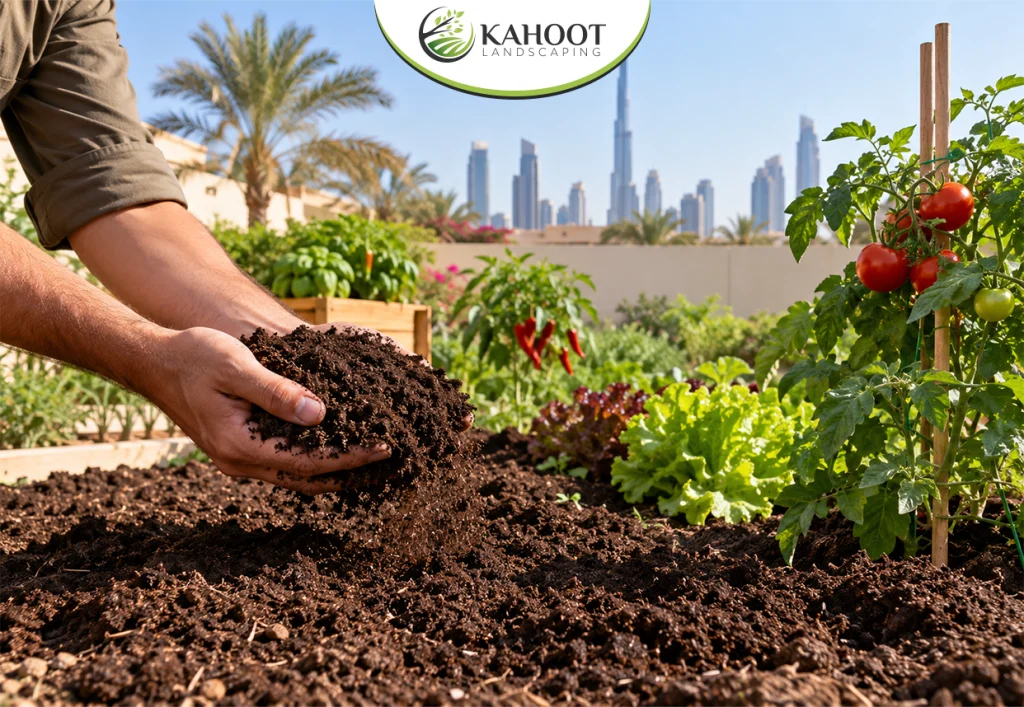
Loamy soil brings more balance to the mix. Made up of sand, silt, clay, along with organic matter, moisture, drainage and nutrient retention are all managed at once.
What Is Loamy Soil?
It is a mix of sand, silt, clay and organic matter. This combination of Loamy soil keeps it rich as well as healthy. This balance gives loam its loose, crumbly feel.
Each material plays its own part. Sand opens up space for water to pass through. Silt holds onto moisture along with nutrients. Clay adds structure and keeps nutrients in place.
Get the balance right, and moisture is held without the plant soil turning waterlogged. Roots also get enough room to move freely underground.
That’s what makes loam a solid pick for so many garden plants. Vegetables, herbs, flowering plants, shrubs, and several fruiting plants all tend to do well in it.
What Are the Characteristics of Loam Soil?
Understanding what the characteristics of loam soil are will help in choosing a suitable growing medium. A few key traits are usually shown by quality loamy soil.
Drainage: Water flows through without accumulating around the roots.
Water holding: Adequate water retention between waterings.
Nutrient retention: Clay, together with silt, works to carry important nutrients close to the roots.
Air circulation: Because the plant soil is loose. Fresh air easily reaches deep into the roots.
Easy to work: You will find digging plus planting much simpler here compared to heavy, stubborn clay.
Crumbly texture: This loose feel gives roots the freedom to stretch out comfortably.
Getting the ratio right matters most. A large amount of clay creates a dense block. It will have terrible drainage. Too much sand removes the valuable nutrients that are vital for the roots to consume.
Why Is Loam Soil Best for Growing Crops?
The answer to why loam soil is best for growing crops comes down to balance again.
Roots need water, air, and nutrients all around them. Airflow gets choked off when soil holds too much water. Plant soil that drains too quickly leaves roots dry and parched. Loam sits perfectly right in the middle.
Crops get moisture without their root zone staying soaked. Nutrients also stick around in the soil longer, giving roots a steadier environment to grow in.
Most common vegetables plus herbs handle loamy soil well. Flowering plants also respond to its moisture balance along with its easy, workable texture.
Benefits of Loamy Soil for Gardening in Dubai
Dubai’s climate puts plant soil management front and centre for gardeners. Heat, quick evaporation and sandy native ground all make it harder for plants to establish and thrive.
A few clear advantages are brought by loamy soil here.
Better Moisture Management
Water passes through loamy soil while some moisture stays available to roots. That matters on hot days when exposed soil dries out within hours.
Improved Drainage
Water is kept from sitting around the roots too long by solid drainage, which counts for a lot in gardens on a regular irrigation schedule.
Better Nutrient Retention
Nutrients are held in the root zone better by loamy soil than by plain sandy ground. Plants end up with steadier access to nutrients between feedings.
Supports Root Growth
Roots need moisture plus air to develop properly. The gaps within loamy soil let roots spread out while air still reaches them.
Easier Garden Work
Planting, digging, and general plant soil prep all go smoother thanks to the crumbly texture. No fighting with dense, heavy clay here.
Supports Different Plants
A wide mix of garden plants is suited to loamy soil, which makes it a practical base for spaces holding vegetables, herbs, flowers and shrubs together.
For gardens under professional care, the existing soil can be checked first before planting plus maintenance practices are decided on.
Is Loamy Soil Good for Dubai’s Climate?
Loamy soil works well for many Dubai gardens. But it isn’t the automatic right choice for every single plant.
Dubai’s heat drives fast moisture loss. Native sandy soil drains quickly on its own, which makes managing water plus nutrients more demanding. Retention, drainage, airflow plus nutrient availability are all helped into balance by loamy soil through its mixed makeup.
That said, the final soil mix still needs to suit whatever is being planted.
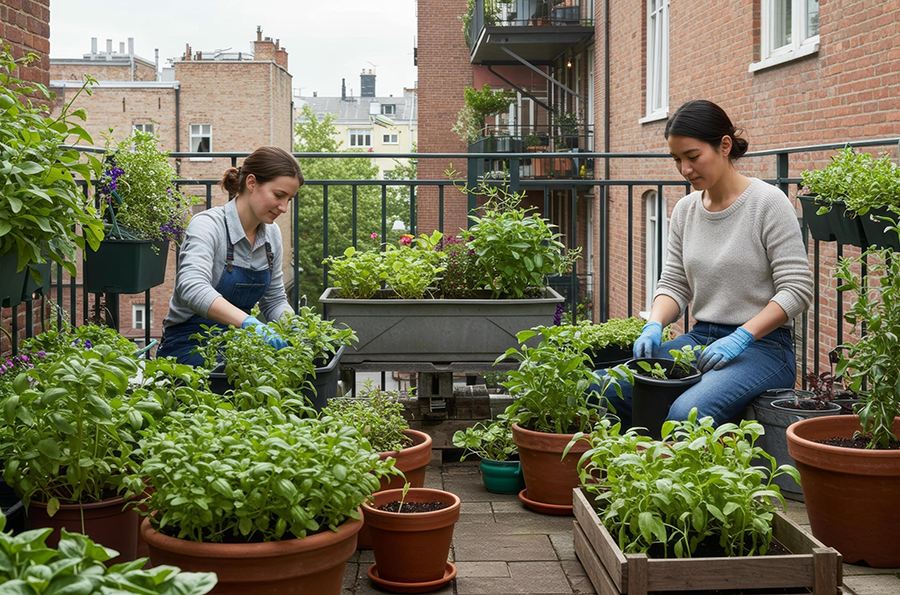
Container plants often need a different growing mix altogether. Some desert species also do better with faster drainage than moisture-loving garden plants prefer.
How Can You Make Loamy Soil for Your Garden?
Creating loamy soil is most of the time a gradual process rather than a fast 1 step fix. You can start by checking the condition of your existing plant soil.
Very sandy soil benefits from added organic matter. This improves its ability to hold moisture plus nutrients. Compacted soil responds well to organic amendments over time too.
Compost is a common solution for improving garden soil. The surface is protected by mulch while organic material slowly breaks down beneath it. Soil quality is maintained over the long run when this is done regularly.
Skip adding large amounts of material without first checking what’s already in the soil. The right change depends on the existing plant soil. The plants involved, as well as the growing conditions overall.
How Do You Know If Your Garden Soil Is Loamy?
A fast feel test gives you a starting point. Loamy soil normally holds together a bit when moist. Then breaks apart easily rather than staying hard and sticking together.
A simple plant soil test can confirm the composition. Texture, pH, and nutrient levels are covered in more detail by professional testing.
Watch how fast irrigation water disappears too. Very sandy soil is often pointed to when water vanishes instantly. Poor drainage can be signaled. When water lingers on the surface.
Testing beats guessing from appearance alone every time.
Which Plants Grow Well in Loamy Soil?
Many everyday garden plants nurture and grow in loamy soil. This is because it has the perfect balance of water. It also has nutrients as well as drainage.
Suitable categories include:
- Vegetables such as tomatoes, beans, lettuce
- Herbs such as basil plus other common culinary varieties
- Flowering plants
- Shrubs
- Several garden trees
Selection of plants is also a really important factor here. It should support irrigation needs, sunlight, temperatures, and soil pH.
How to Maintain Loamy Soil in a Dubai Garden
Building good plant soil is only step one. Its structure plus fertility is kept intact through regular care.
You should add organic matter slowly rather than depending on a single heavy treatment. Compost feeds the earth naturally. A thick layer of mulch shields the surface.
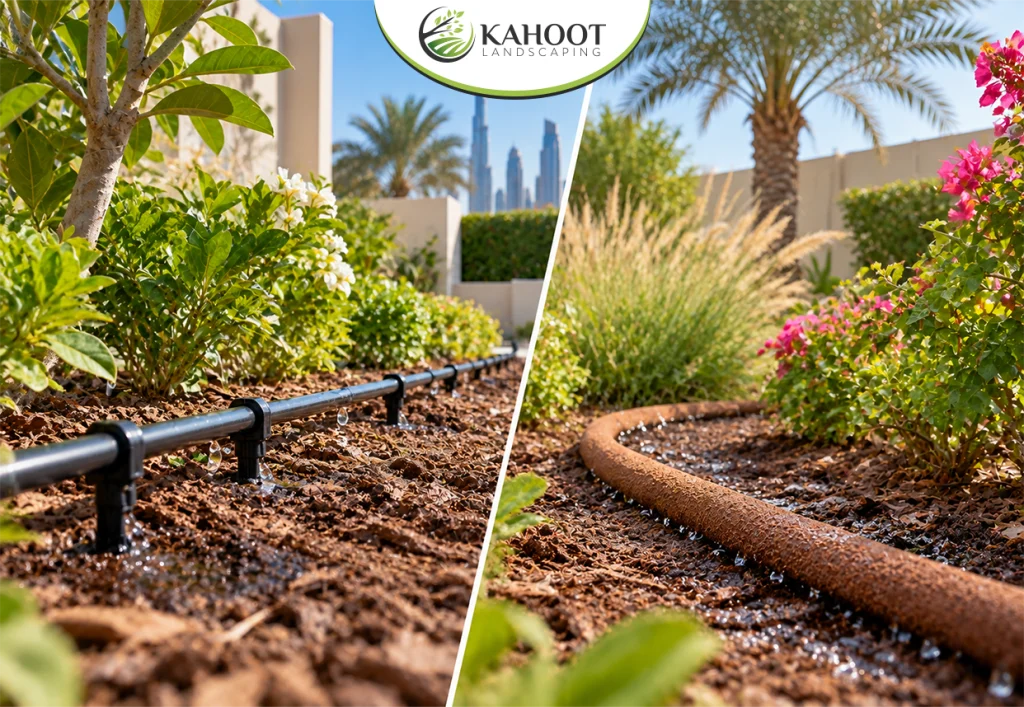
Be careful with how much you water. Good soil drainage can become poor if you aren’t careful with watering.
Try to limit foot traffic across your garden beds whenever you can. Repeated stepping compacts the dirt tightly together. This crushes the tiny air pockets that plant roots desperately need to survive.
Keep an eye on the garden regularly too. Watch for poor drainage, soil drying too fast, compacted patches, along with weak growth.
These conditions can be tracked by a professional garden maintenance service in Dubai as part of routine care, with practices adjusted based on the garden’s planting needs plus soil condition.
Loamy Soil vs Sandy Soil for Dubai Gardens
| Factor | Loamy Soil | Sandy Soil |
| Water retention | Moderate to good | Low |
| Drainage | Good | Very fast |
| Nutrient retention | Good | Generally lower |
| Root environment | Balanced | Dries faster |
| Soil texture | Crumbly | Gritty |
| General use | Suitable for many plants | Suitable for plants needing fast drainage |
Sandy soil isn’t automatically bad soil. Its fast drainage is actually preferred by some plants, particularly where excess moisture causes trouble. Even so, most plants prefer a soil mix that locks in food and moisture.
Final Thoughts
Loamy soil gives garden plants a useful balance of moisture, as well as drainage and other nutrients. This makes it a practical choice for Dubai gardens. Especially where sandy soil tends to dry out fast.
However, plant soil selection should always match the plants, combined with the growing conditions on hand. Soil quality is preserved over time through regular amendments, proper irrigation plus consistent maintenance.
Starting with the right soil makes routine plant care easier for Dubai gardens. A better foundation for steady, lasting growth is also given to roots this way.
FAQs
What is loamy soil?
Loam is simply a natural combination of mineral particles enriched with organic matter. This specific mix drains water well. It also holds onto enough moisture alongside essential nutrients to keep plants healthy.
What are the characteristics of loam soil?
The main trait of it is its crumbly texture. It offers excellent drainage while still carrying moderate moisture. Roots get enough air space alongside steady access to vital nutrients.
Why is loam soil best for growing crops?
Plant roots thrive here because the environment perfectly balances water access with necessary nutrients. This supportive setting suits a wide variety of vegetables, herbs, alongside general garden greenery.
Is loamy soil suitable for Dubai gardens?
It actually works too well for local gardens. The soil retains necessary moisture. But still lets excess water drain away quickly. You should always check specific plant needs. Before finalizing your mix, though.
How can I make loamy soil?
First, figure out what kind of dirt you already have. Then, mix in rich organic compost over time. This gradual process improves the overall structure. While boosting moisture retention alongside nutrient availability.
Is loamy soil better than sandy soil?
Neither type wins for every single plant. Loam suits most garden varieties since it balances drainage with moisture retention. But sandy dirt remains the better choice for specific plants requiring extremely fast drainage.