Read our detailed fiberglass vs concrete pool comparison
How Each Pool Type is Built
A swimming pool made of concrete is built on the spot in Dubai. Steel reinforcement is then added, and the concrete is poured or sprayed and formed to the design. The interior is then plastered, tiled, or waterproofed. All work is done on-site.
A fiberglass swimming pool in Dubai is built as a complete unit in a controlled environment in a factory. Once produced, it is delivered to the site and carefully placed in an excavated area. The main structure is delivered as a complete unit, while plumbing and backfilling are done in the field.
Due to the various techniques, both types of pools have varying durability, maintenance requirements, and performance.
Side-by-Side Comparison
A concrete pool is a more expensive option than a fiberglass pool.
| Factor | Concrete Pools | Fiberglass Pools |
| Construction time | 8-16 weeks | 3-6 weeks |
| Upfront cost | Higher/Lower to moderate | Higher/Lower to moderate |
| Surface finish | Plaster, tiles or pebble | Smooth gel coat |
| Shape flexibility | Fully custom | Limited to factory molds |
| Surface lifespan | Replaster every 10-15 years | 20-30 years (gel coat) |
| The amount of chemicals used | Higher | Lower |
| Conductive | Absorbs heat and retains it | Reflects heat more readily |
| The required level of maintenance is | The level of maintenance required is: | The level of maintenance required is: |
| Algae resistance | Lower (porous surface) | Higher (non-porous surface) |
| Safety Margin | 30+ years | 20–25 years |
How Dubai’s Climate Affects Each Pool Type
This comparison is more relevant when considering Dubai’s climate. Many general pool discussions are based on milder regions, where temperature stress is not as severe.
Heat and surface expansion
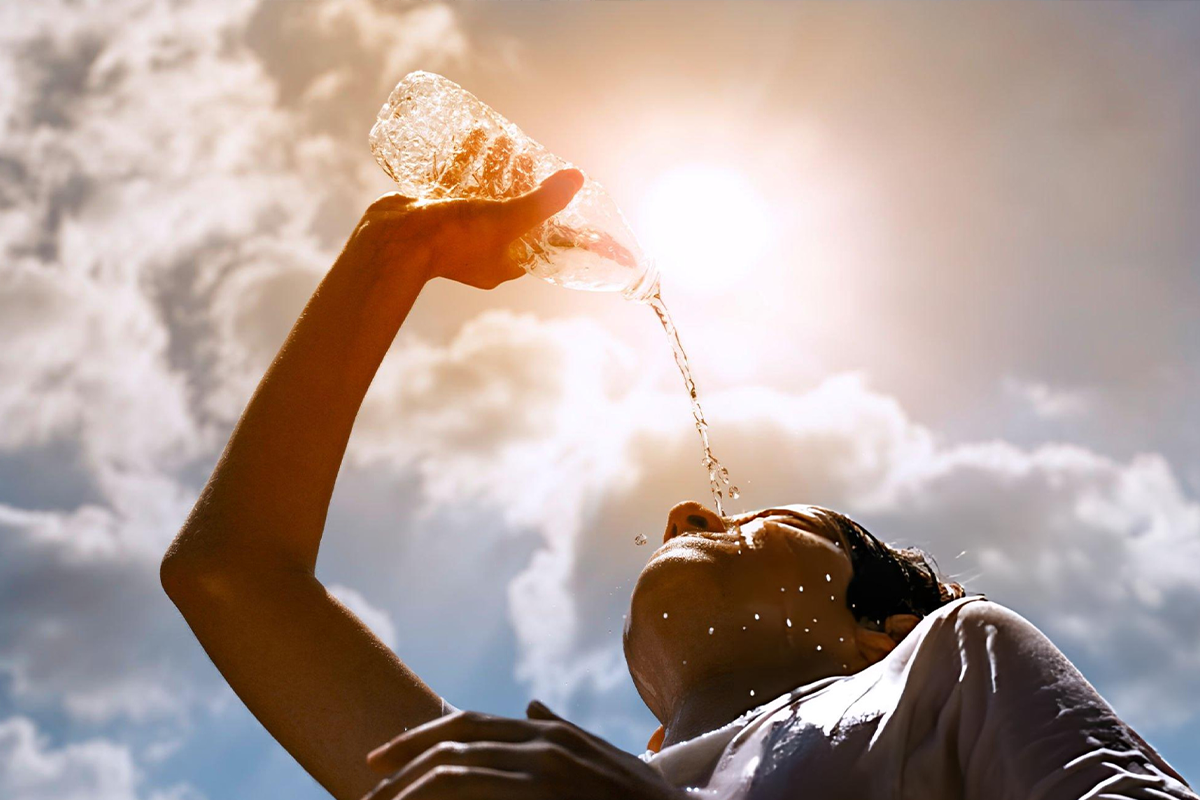
Concrete always expands and contracts due to temperature changes. This movement is observed more often in Dubai, where the temperature swing between day and night is high. Small cracks can occur in plaster or tile finishes over time and sometimes need to be repaired.
Fiberglass is more flexible, however. The material absorbs the thermal movement better, which means that surface cracking from thermal expansion is less likely.
Chemical balance in hot water
Chemical balance is more likely to be disturbed by warm water. In hot climates, chlorine levels decrease more rapidly, along with pH changes more frequently.
In concrete pools, the porous surface will absorb some of the chemicals, making it more difficult to balance the water together with requiring more chemicals to be used. Typically, more frequent adjustments are needed.
The surface of fiberglass pools is smooth and non-porous. Chemicals are not absorbed, and water balance is generally easier to maintain, and chemical costs are reduced.
Algae growth
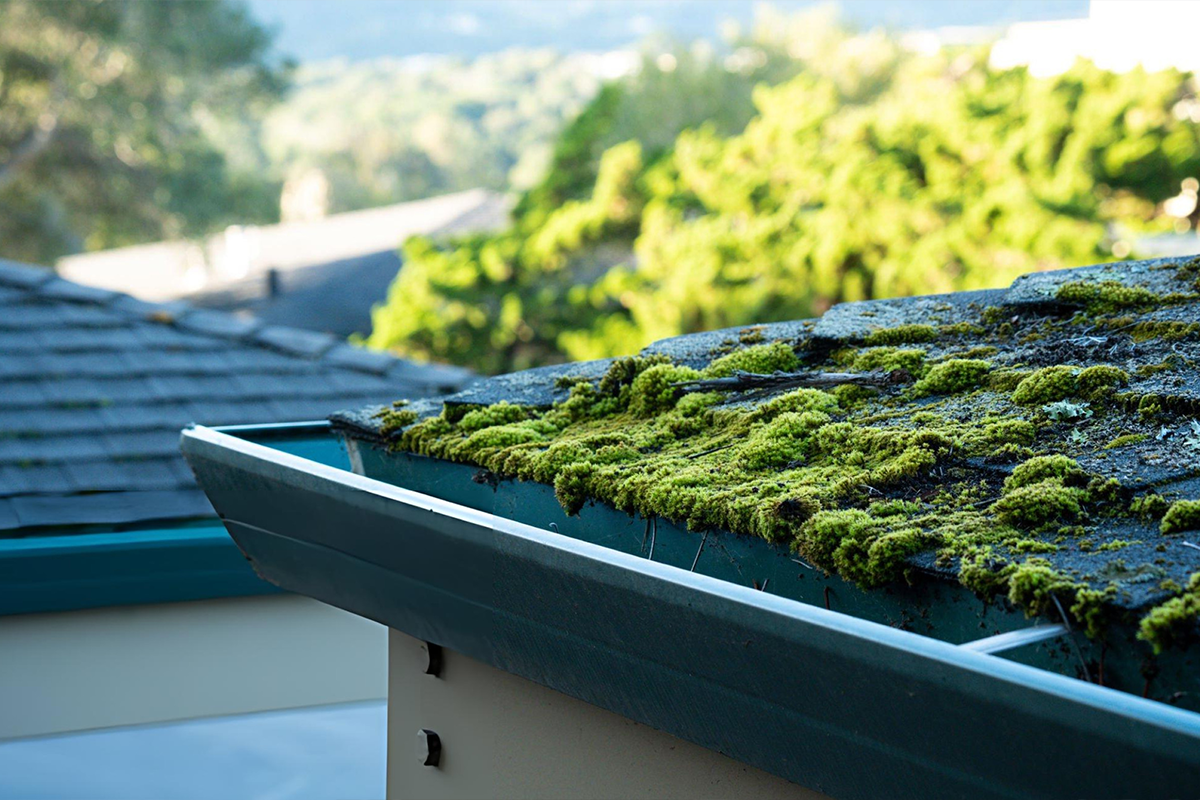
Algae growth is naturally stimulated in warm water conditions such as Dubai. The porous surface offers more places for algae to attach as well as grow in concrete pools, requiring more frequent cleaning. Fiberglass pools are easier to maintain as the smooth surface prevents algae from sticking to the surface while requiring less brushing. If left unchecked, algae buildup is often the result of small maintenance mistakes that many pool owners overlook.
Where Concrete Pools Have the Advantage
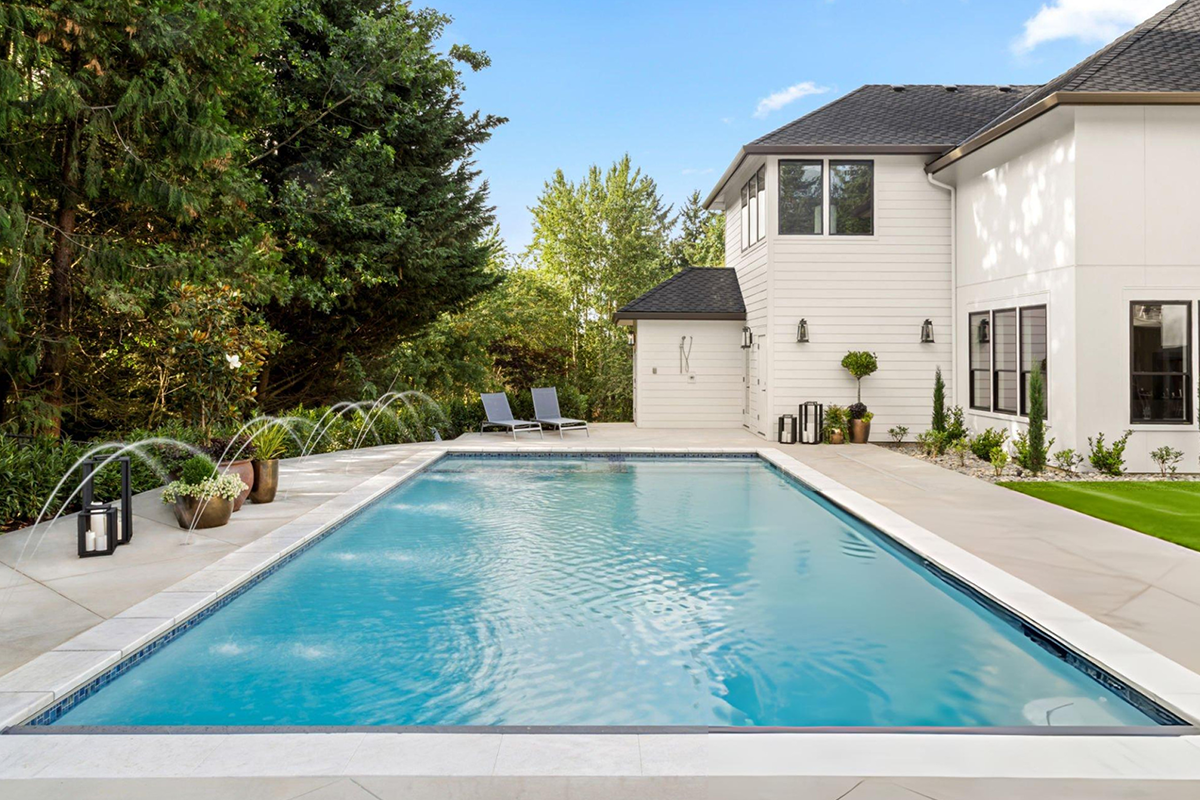
Concrete pools are versatile and have a long lifespan, but they do need more care. They’re most popular for their ability to be designed in any shape, depth, or architectural style. In addition to their beauty, concrete buildings are extremely long-lasting and require little surface refinishing after more than 50 years. Concrete is a better option for large-scale projects because it avoids the size and transportation limitations usually found in pre-molded fiberglass shells. It is therefore still the standard for top-tier villas and complex commercial installations.
Where Fiberglass Pools Have the Advantage
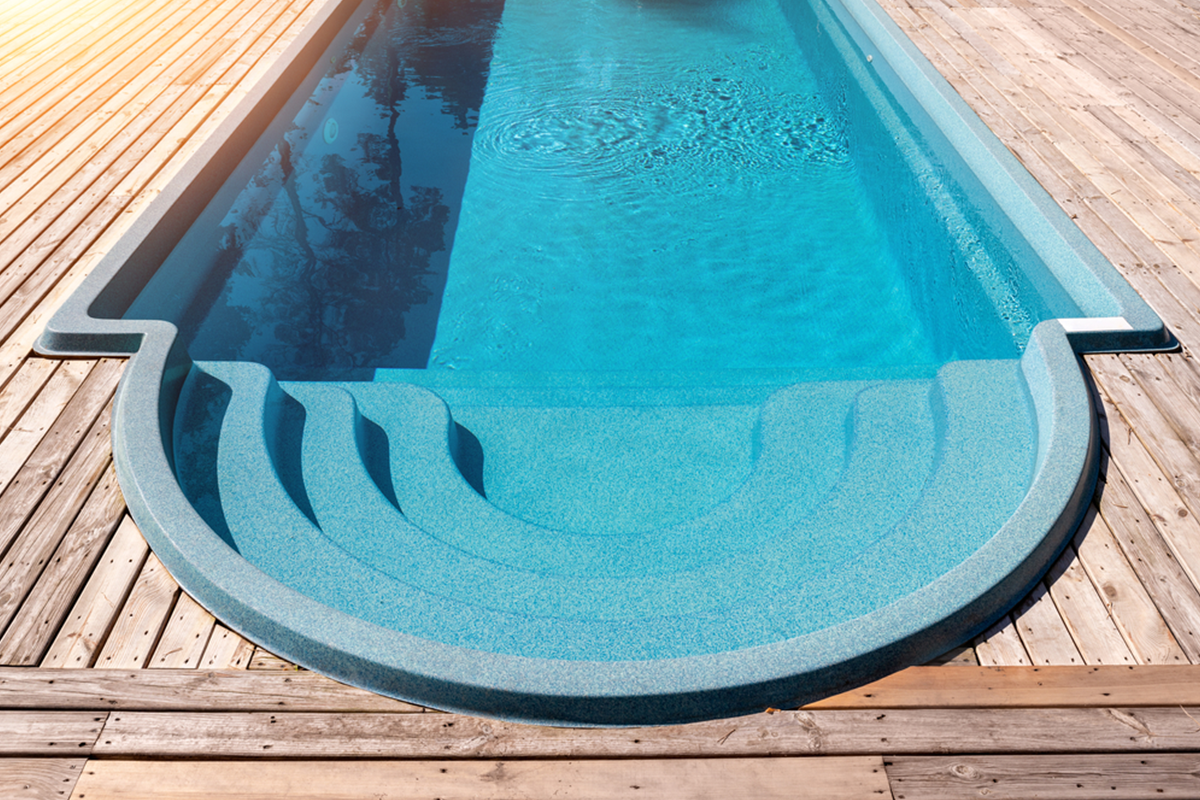
Fiberglass pools are much quicker to install than conventional concrete pools, which means you can get your pool up while running sooner. The smooth, non-porous surface resists algae growth, removing the need for extra chemical treatments, and additionally making it easier to clean up regularly. The material is very tough and will not crack or need to be replastered in the future due to temperature changes. In the end, these advantages work together to create a hassle-free, efficient backyard experience that will help you save time and money in the long run.
Which One Lasts Longer in Dubai?
Concrete pools have a longer lifespan from a structural point of view, and can last more than 50 years with proper maintenance. The interior surface, however, is typically resurfaced every 10-15 years, adding to the cost and maintenance.
Fiberglass pools are not as durable as concrete pools, but the gel coat surface is stable for many years and requires little maintenance. Fiberglass can be more cost-effective over 20 years in the climate of Dubai, where chemical usage and maintenance requirements are greater.
Simply put, concrete is selected in situations where there is no need for the structure to be designed in a specific way and where maintenance is not a concern. When low maintenance and ease of upkeep are desired, fiberglass is the preferred material.
Pool Construction Services in Dubai
The long-term performance of both types of pools is dependent largely on proper installation. Problems can come up early in the life of a concrete pool if it is not properly waterproofed or installed on an unstable base. Similarly, a fiberglass shell that is not installed properly can cause it to shift or leak over time.
KLG is a premium swimming pool contractor in Dubai that creates and constructs concrete as well as fiberglass swimming pools throughout Dubai and the UAE. In addition, landscaping solutions such as decking, lighting, paving, as well as planting are also provided to complete the outdoor space.
Whether you are looking for a top Concrete Pool Contractor in Dubai or the best fibreglass swimming pool in Dubai for your villa. We evaluate site conditions first, before a recommendation is made based on budget, design, alongside long-term use.
Final Words
With the right design as well as installation, concrete and fiberglass pools can both thrive in Dubai. The difference is largely one of priorities and not quality. Concrete is typically used for maximum design flexibility along with durability, and fiberglass is often selected for its low maintenance as well as high efficiency in extreme temperatures. The best choice is the one that suits your villa design, budget, and maintenance needs throughout the years.
Frequently Asked Questions
Q1. Which is better in the Dubai heat?
Fiberglass is superior for heat resistance and easy maintenance, while concrete offers better structural longevity but requires more upkeep.
Q2. How long does a fiberglass pool last in Dubai?
Expect a lifespan of 25 to 30 years, with the gel coat surface typically staying pristine for at least 20 years.
Q3. Is a concrete pool more expensive than fiberglass?
Yes, concrete pools carry higher upfront construction costs and more expensive long-term maintenance compared to fiberglass.
Q4. Can I build a custom-shaped pool with fiberglass?
No, fiberglass pools are pre-molded into specific shapes, whereas concrete allows for 100% custom designs and sizes.
Q5. How do I choose between the two for my villa?
Choose fiberglass for speed and low maintenance, or concrete if you require a bespoke design tailored to your specific villa layout.