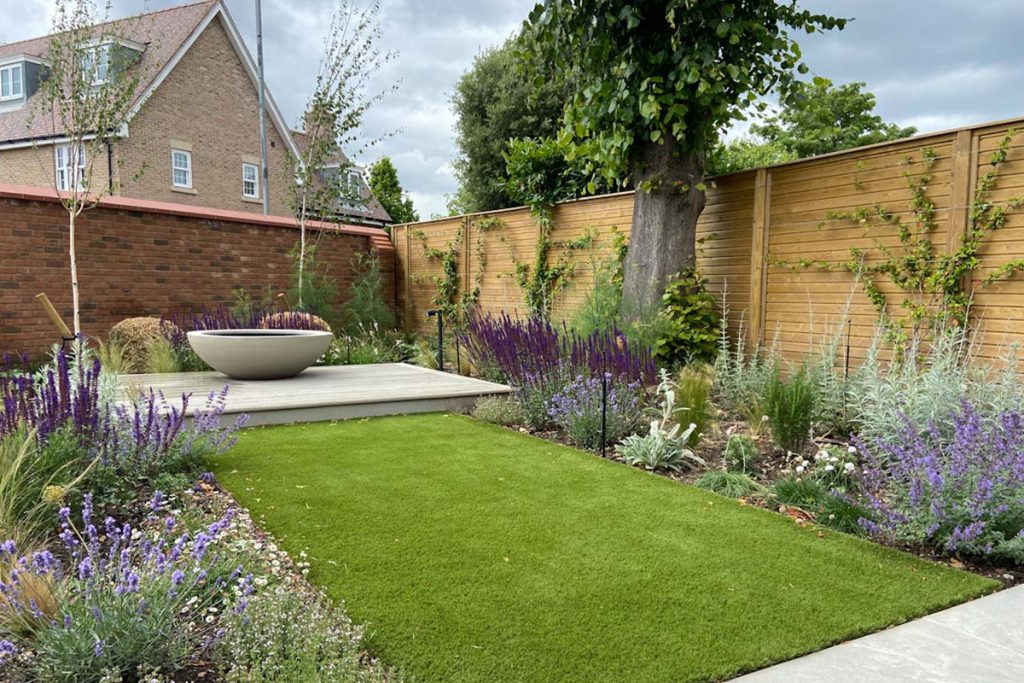
Many people give up on gardening not because they dislike greenery, but because the layout works against them.
The truth is simple!
A smart garden layout does most of the work for you. The right structure can reduce watering, limit overgrowth, and keep your garden looking calm even when life gets busy.
This guide shares low-maintenance garden layout ideas that focus on smart placement, simple plant choices, and long-term ease. Whether you have a small backyard or a larger outdoor area, these layouts help you enjoy greenery without daily effort.
What Makes a Garden Low-Maintenance?
Low-maintenance gardens are built with intention. They rely on layout first, plants second. Many gardens fail because plants are added randomly, without thinking about growth patterns, sunlight, or access for care.
A low-maintenance garden layout focuses on a few core ideas, like:
- Plants with similar water needs should be grouped together
- Empty soil is covered to reduce weeds.
- Pathways are placed where people actually walk.
Instead of mixing everything, repetition is used to keep care simple and visual flow calm.
Another key factor is restraint. Too many plant varieties lead to different care routines. Fewer plant types make watering, trimming, and seasonal care much easier. When layout and plant choice work together, the garden feels steady rather than demanding.
Planning Before You Design Your Garden Layout
Before choosing plants or decorative items, take time to look at the space itself. Planning saves effort later and prevents costly changes.
Start with sunlight. Observe which areas receive full sun, partial shade, or shade for most of the day. Placing plants in the wrong light increases watering needs and weakens growth. Next, look at water access. If irrigation or hoses are far away, the layout should reduce water-hungry areas.
Think about how the garden will be used. Is it for quiet seating, family time, growing food, or visual appeal?
A clear purpose helps decide where plants belong and where open space is needed. Also consider movement because easy access to all areas makes cleaning and trimming faster.
Good garden designs and layouts begin with these basic checks, long before planting starts.
Best Low-Maintenance Garden Layout Ideas
A well-planned structure controls growth, simplifies watering, and keeps everything looking balanced with less effort. The following low-maintenance garden layout ideas focus on smart placement and practical design choices that make long-term care much easier.
Minimalist Green Garden Layout
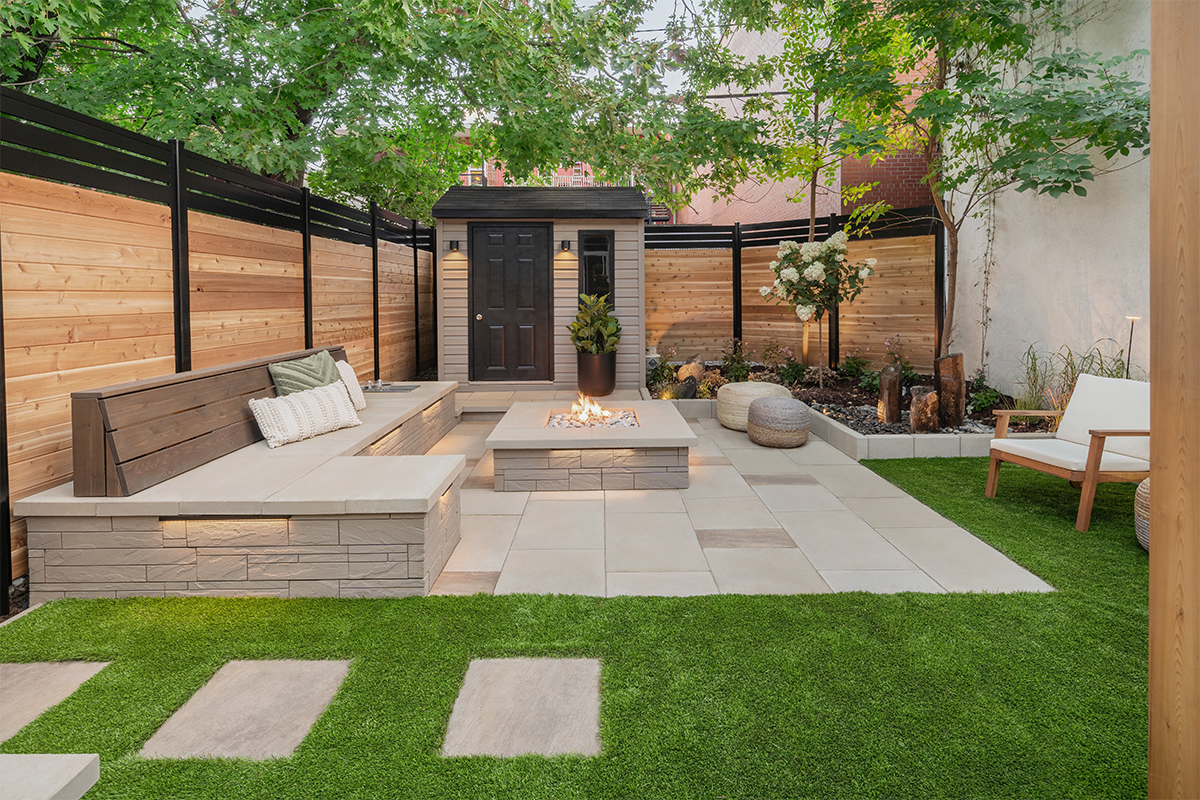
This layout focuses on open space, simple plant groupings, and clean borders. Instead of filling every corner, plants are placed with breathing room between them. Ground covers replace traditional lawns, reducing mowing and water use.
A minimalist garden layout often includes gravel sections, stone edging, and repeated plant clusters. The visual result feels calm, and maintenance stays predictable. Fewer plants mean fewer problems, making this layout ideal for busy households.
Zoned Garden Layout for Easy Care
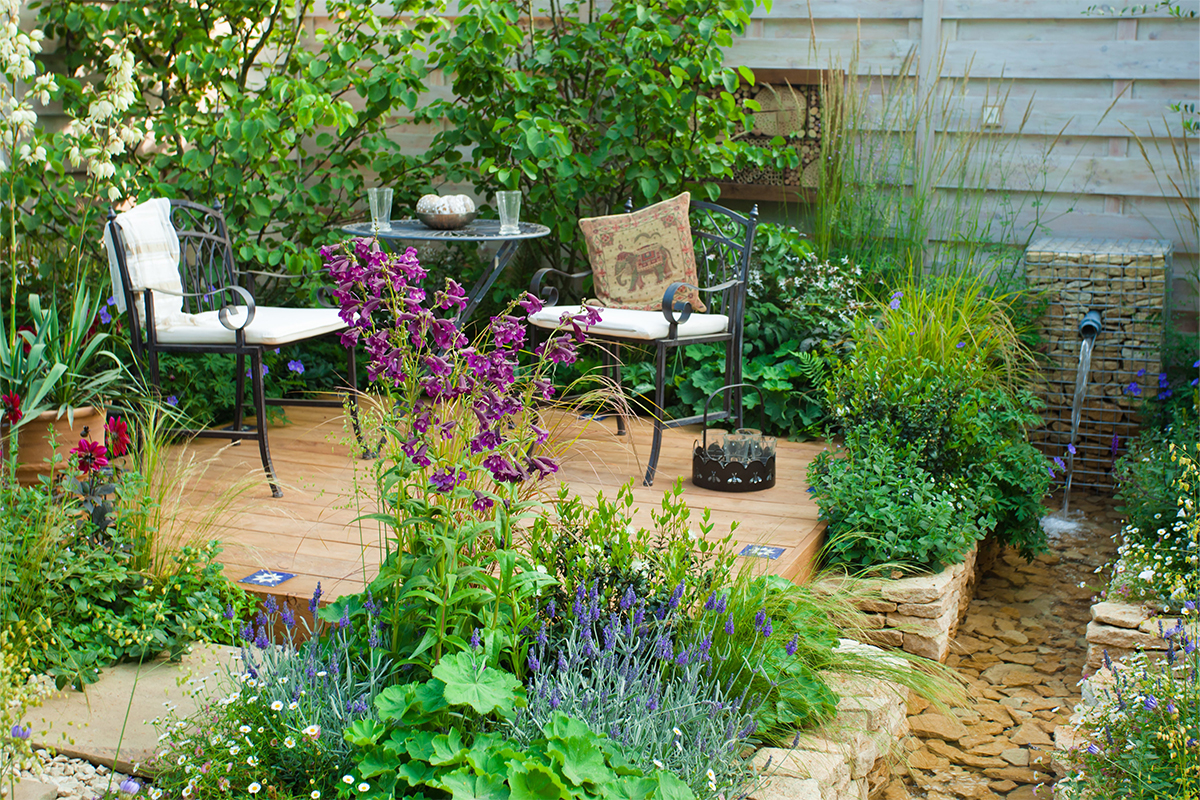
A zoned layout divides the garden into clear sections based on purpose. One zone may be planted with greenery, another for seating, and another for walking paths. This approach limits overgrowth and keeps plants from spreading into unwanted areas.
Zoning also helps with watering. Each zone can be watered based on its needs, instead of treating the whole garden the same way. This layout keeps things organized and avoids constant corrections.
Raised Bed Garden Layout
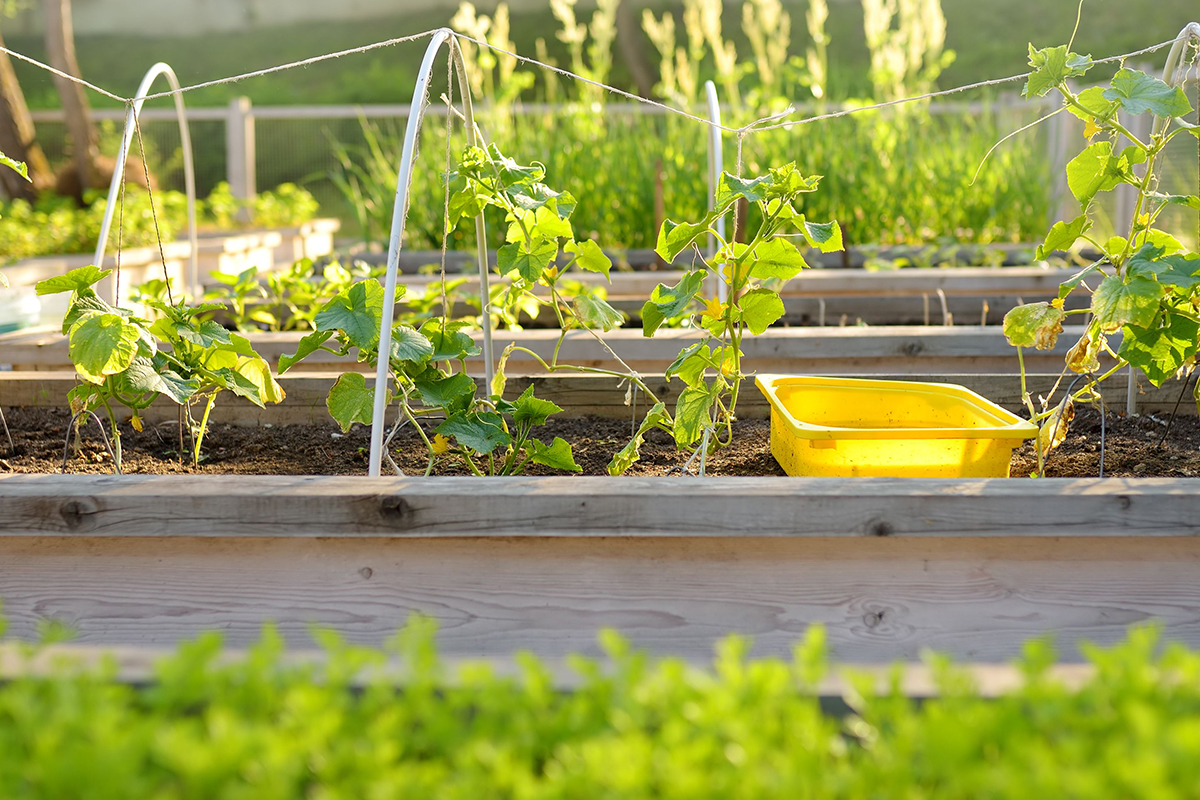
Raised beds are one of the easiest ways to reduce garden work. They improve drainage, limit weed spread, and make plant care more comfortable. Soil stays contained, which helps plants grow evenly.
Raised beds work well for vegetables, herbs, and flowers. They also make seasonal changes easier, since soil can be refreshed without disturbing the entire garden. For many homes, raised beds bring both structure and ease to the garden layout.
Native and Climate-Ready Plant Layout
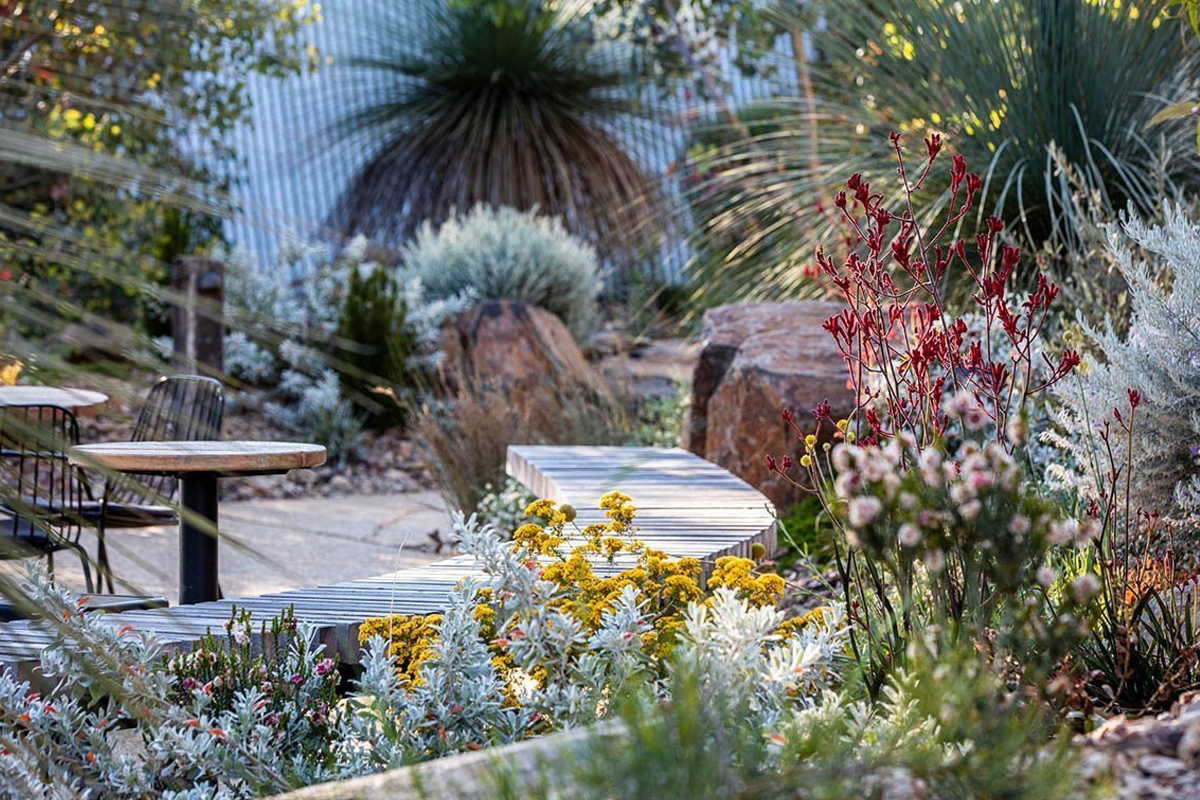
This layout groups plants that naturally handle heat and dry conditions. Plants suited to the local climate need less water and fewer replacements. They also resist pests better, reducing the need for treatments.
By placing these plants in clusters, watering becomes simple and efficient. Over time, this garden layout stays steady and healthy with minimal input.
Repeating Pattern Garden Layout
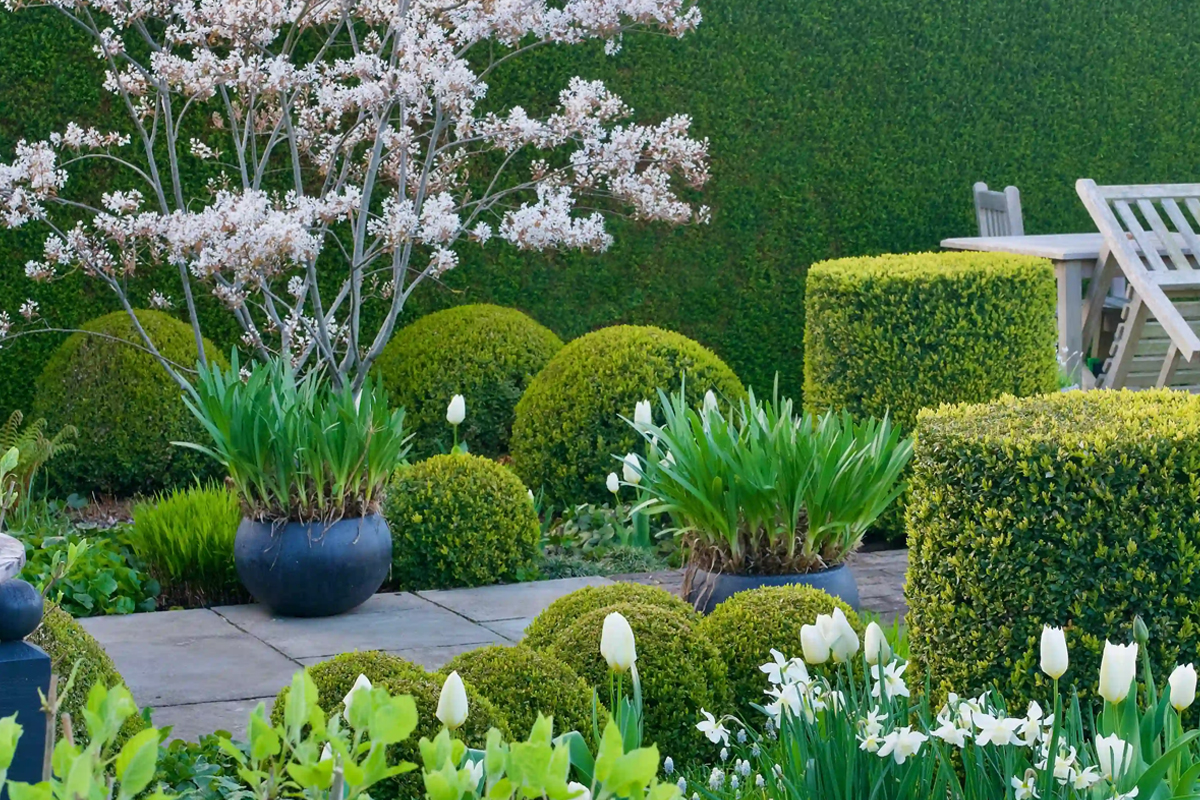
Instead of mixing many plants together, this layout repeats the same plant in rows or clusters. The repetition simplifies trimming schedules and creates visual balance.
Care routines stay consistent, since plants grow at similar rates. This is one of the easiest garden layout ideas for long-term maintenance, especially in larger spaces.
Specialized Low-Maintenance Garden Layouts
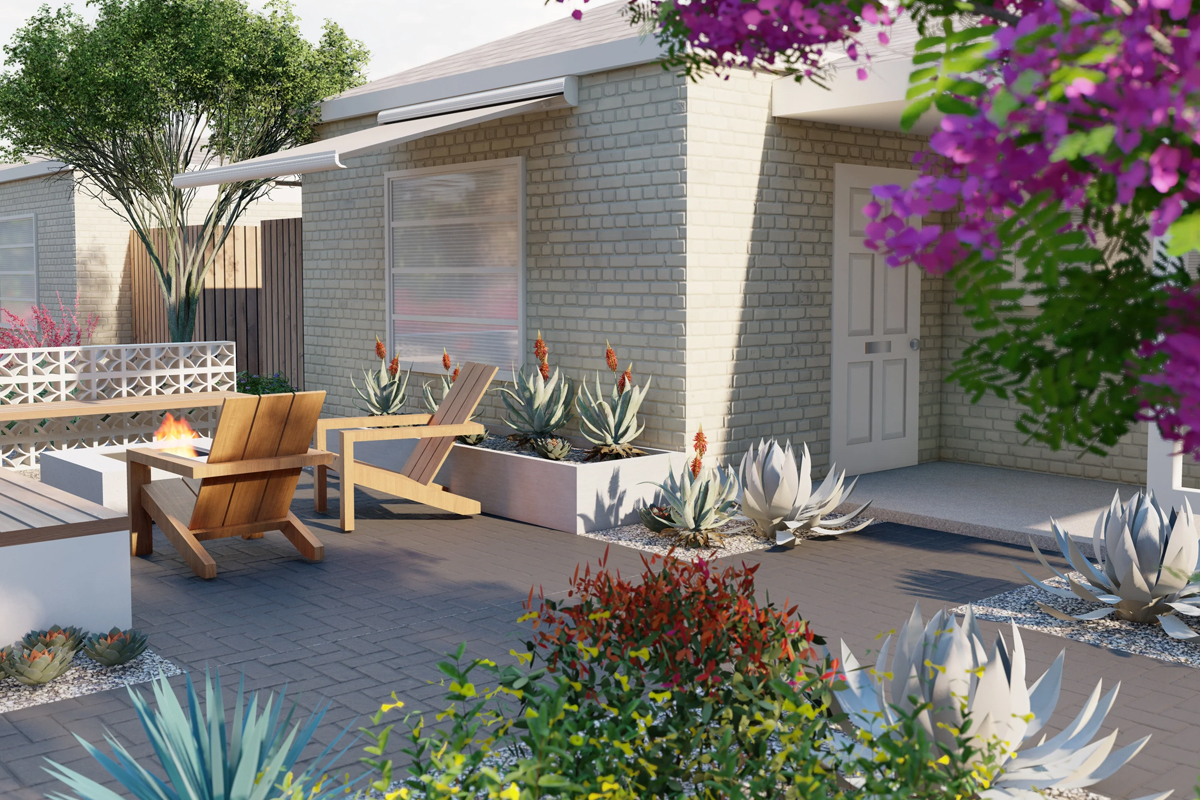
After exploring general garden layout ideas, it helps to look at layouts built for specific purposes. Some gardens focus on food, others support wildlife, and some are all about visual appeal.
These specialized low-maintenance garden layouts are designed to meet those needs while keeping care simple and manageable over time.
Veggie Garden Layout That Saves Time
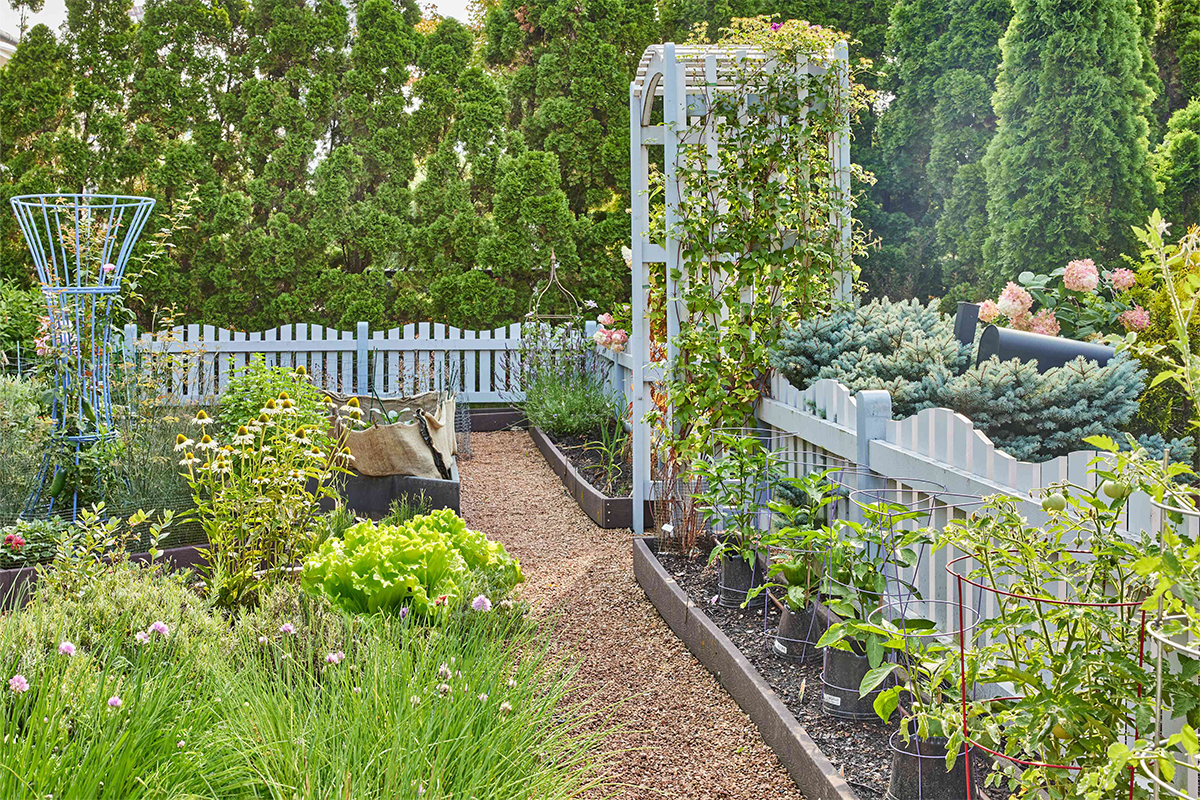
A low-maintenance veggie garden layout focuses on access and spacing. Raised beds arranged in straight lines allow easy harvesting and watering. Each bed can be assigned to a specific crop group, making seasonal planning simple.
Spacing matters. Crowded vegetables compete for water and sunlight, leading to weak growth. Proper spacing reduces disease and limits extra care. Mulching the beds helps keep soil moist and prevents weeds from taking over.
With the right layout, growing vegetables becomes enjoyable instead of demanding.
Herb Garden Layout That Stays Controlled
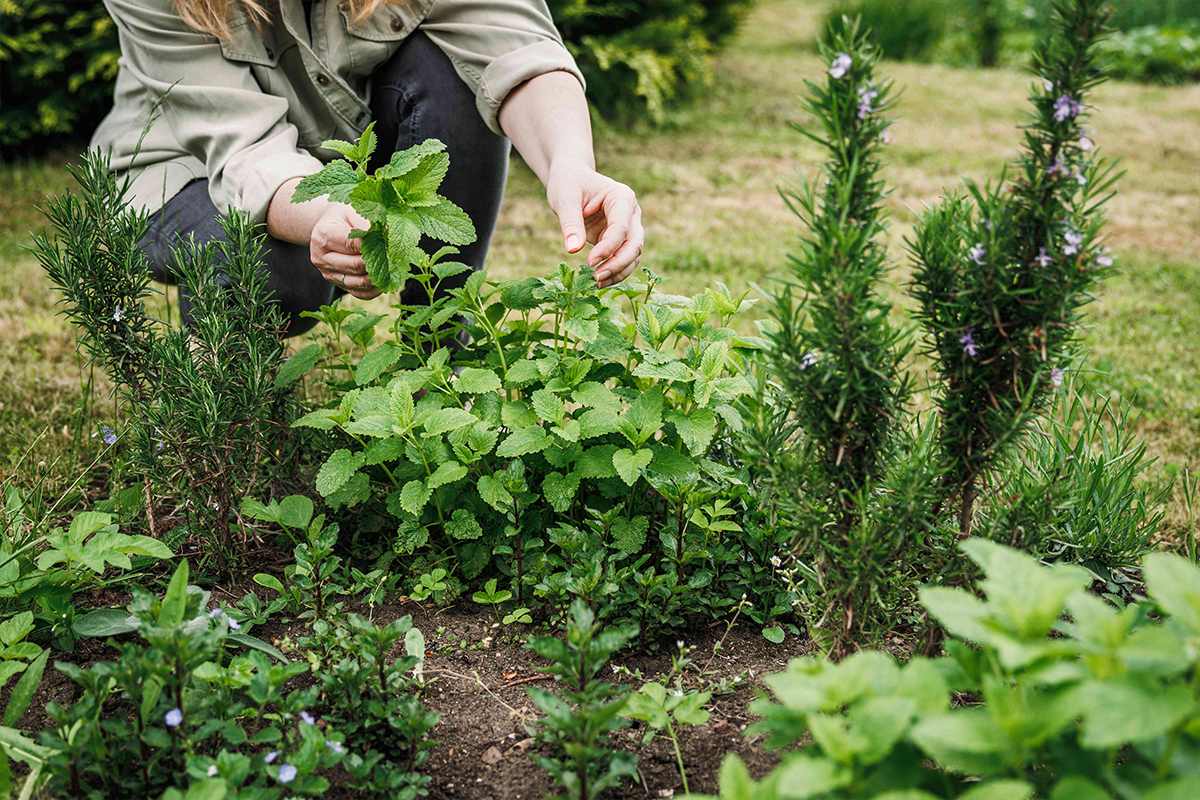
Herbs grow fast and can easily take over if placed without care. A smart herb garden layout groups herbs by growth habits. Woody herbs like rosemary and thyme stay together, while soft herbs like basil and mint are kept separate.
Containers or raised edges help control the spread. Placing the herb garden near the kitchen also encourages regular use, which naturally keeps growth in check. This layout keeps herbs useful and neat without constant trimming.
Pollinator Garden Layout with Less Effort
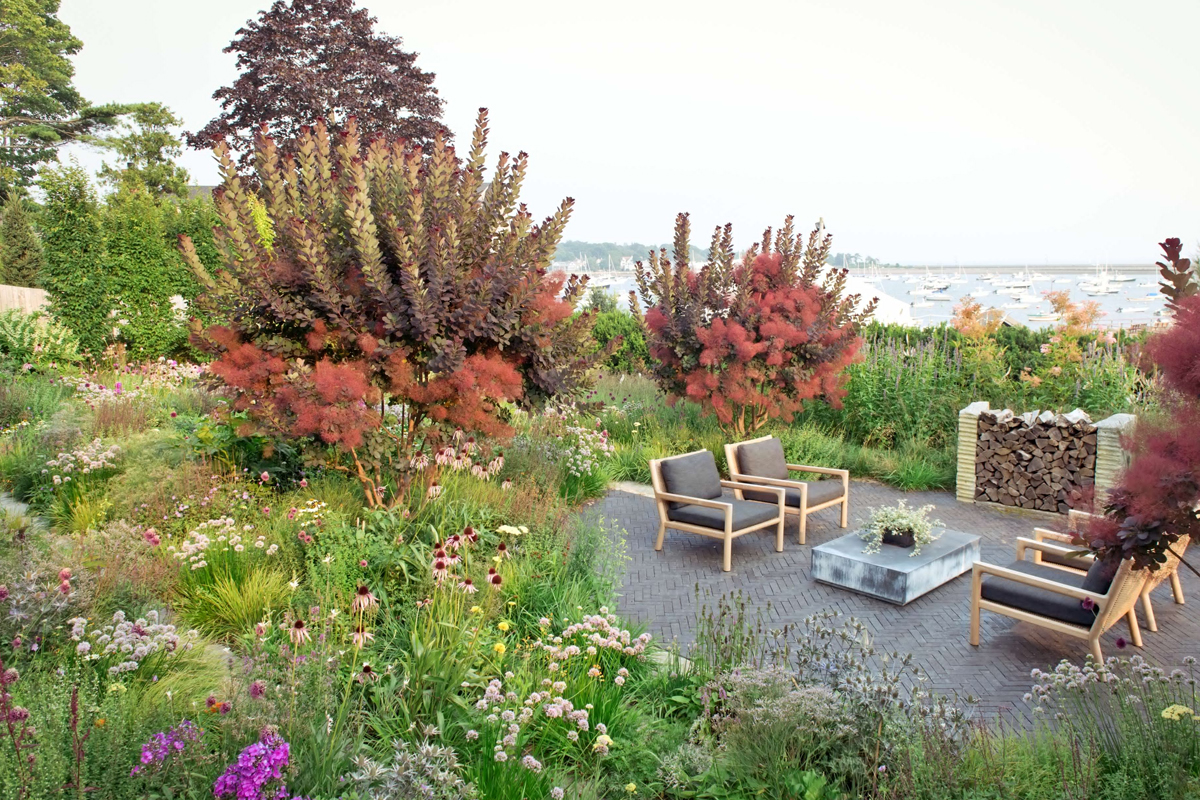
Pollinator gardens support bees and butterflies while staying easy to manage. The key is grouping plants instead of scattering them. Large clusters attract pollinators more effectively and simplify care.
Choose plants that bloom at different times, so the garden stays active without frequent changes. Avoid placing this layout near high-traffic areas to reduce trimming needs. Once established, a pollinator garden layout stays lively with minimal intervention.
Simple Flower Bed Layouts That Look Tidy
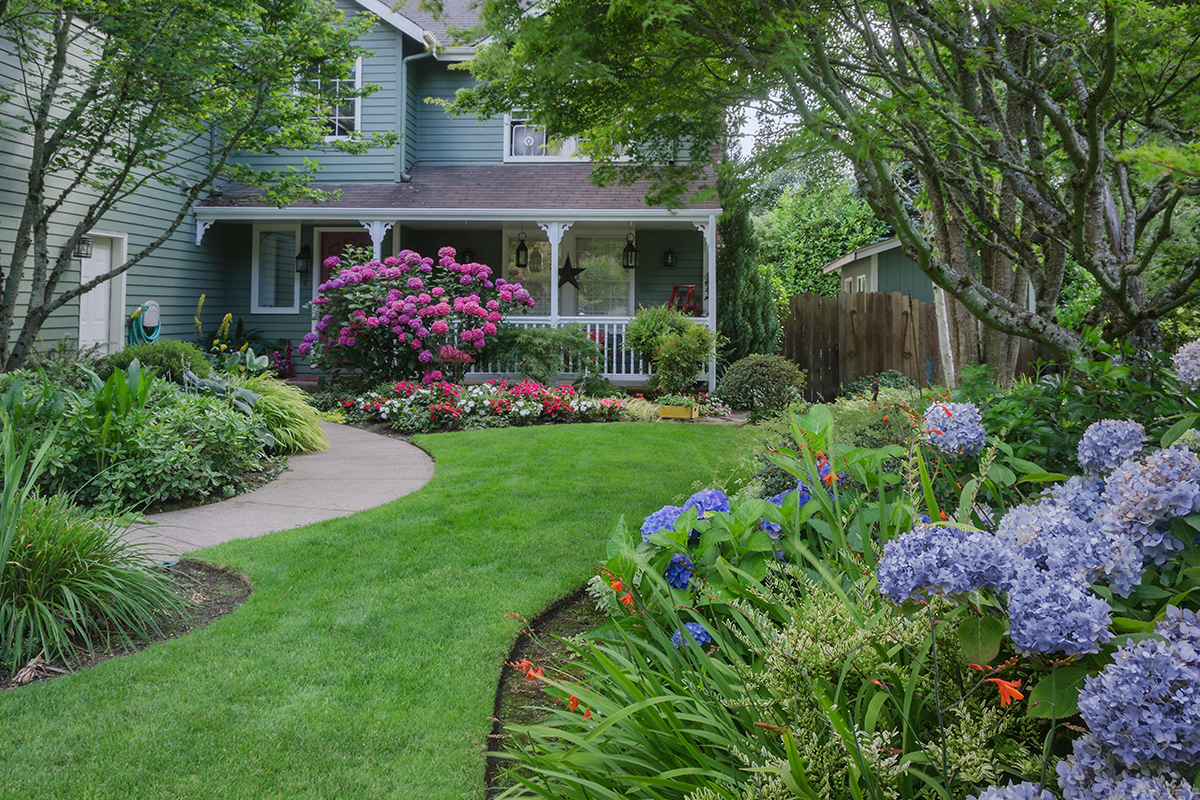
Flower bed layouts can stay neat when designed with layers. Short plants go in front, medium plants in the middle, and taller plants at the back. This structure allows sunlight to reach all plants and keeps beds from looking messy.
Perennial flowers reduce replanting. Mulch helps control weeds and holds moisture in the soil. With these basics, flower beds remain colorful without constant attention.
Materials That Reduce Garden Work
The materials you choose for your garden layout can make a big difference in how much time and effort it takes to maintain. Using the right materials helps keep plants healthy, limits weeds, and makes cleaning easier. Consider these options:
- Mulch: Protects soil, reduces weeds, and retains moisture, cutting down on watering and weeding.
- Gravel paths: Require far less care than traditional grass and prevent muddy or uneven walkways.
- Stone or concrete edging: Keeps plants contained, preventing overgrowth into paths or seating areas.
- Durable planters: Long-lasting and easier to move or replace, reducing maintenance costs and effort.
Choosing these materials thoughtfully ensures your garden stays neat and low-maintenance year after year.
Smart Watering Choices That Support Low-Maintenance Layouts
A well-planned garden layout makes watering simple and efficient. Here are practical ways to reduce effort:
- Drip irrigation: Delivers water directly to plant roots, minimizing waste and keeping soil evenly moist.
- Grouping plants by water needs: Prevents overwatering some areas while ensuring thirsty plants get enough moisture.
- Professional setup support: Services like garden maintenance in Dubai can install efficient irrigation systems and provide seasonal checks for optimal results.
How Often Does a Low-Maintenance Garden Need Care?
Low-maintenance does not mean no care. Most gardens need light weekly checks and monthly cleanups. Tasks include removing fallen leaves, checking irrigation, and light trimming.
Seasonal attention helps keep plants healthy and prevents larger problems. With the right garden layout, these tasks stay quick and manageable.
Bottom Line!
A green garden should feel relaxing, not like another task on your list. Choosing the right garden layout ideas makes maintaining greenery simple, organized, and enjoyable. Thoughtful planning, smart plant grouping, and using low-maintenance materials all reduce effort while keeping your garden looking healthy and vibrant.
Whether you want vegetables, herbs, flowers, or a mix, a clear layout ensures your garden stays tidy with minimal work. For long-term support, landscaping contractors in Dubai can help plan your layout and provide ongoing care. With these choices, your garden can remain green, inviting, and easy to enjoy all year round.
FAQs
Q1. What is the easiest garden layout to maintain?
The easiest garden layout combines clear zones, repeated plant clusters, and low-water plants. Using these garden layout ideas keeps your outdoor space green with minimal trimming and watering effort.
Q2. Can small gardens be low-maintenance?
Small gardens can stay low-maintenance with compact veggie garden layouts, raised beds, and smart plant placement. Proper planning makes upkeep simple while keeping the garden healthy and visually appealing.
Q3. Do low-maintenance gardens stay green year-round?
Yes. Choosing climate-friendly plants, mulching flower bed layouts, and grouping by water needs helps your garden layout maintain greenery throughout the year with minimal intervention.
Q4. How do pollinator garden layouts reduce effort?
Pollinator garden layouts focus on grouping nectar-rich plants, limiting overgrowth, and creating defined zones. This approach attracts bees and butterflies while keeping maintenance simple and efficient.
Q5. Can a herb garden layout save time and water?
A well-planned herb garden layout groups similar herbs together, uses containers or raised beds, and positions plants according to sunlight. This reduces watering, pruning, and overall garden maintenance.