Now, here’s why this matters.
An inflatable pool looks harmless at first. It fills fast, keeps kids laughing, and turns a hot afternoon into instant relief. But after a few uses, things start to change. The water loses its clarity. The floor feels slippery underfoot. Dust settles at the bottom, and a faint smell begins to linger. That’s usually the moment parents pause and ask themselves if the pool is still safe.
A dirty inflatable pool can irritate skin, attract bacteria, and wear out the material faster than expected. The good news is that keeping it clean doesn’t require harsh chemicals or complicated steps.
This guide walks you through clear, practical methods and easy habits that help your inflatable pool stay fresh, safe, and ready for worry-free fun every time.
What Makes Inflatable Pools Get Dirty So Quickly?
Inflatable pools are different from permanent pools. They usually sit directly on the ground, they don’t always have filters, and they’re often filled and drained multiple times. Because of this, dirt builds up faster.
Here are the most common reasons inflatable pools get dirty:
- Dust and sand blowing in from outdoors
- Grass, soil, or concrete residue from the surface underneath
- Sunscreen, body oils, and sweat
- Food crumbs and drink spills
- Leaves, insects, and small debris
- Warm water encouraging algae growth
Since inflatable pools are often used by children, cleanliness matters even more. Regular care keeps the water clear and the surface safe.
What You Need Before You Start Cleaning
Cleaning an inflatable pool does not require special tools or store-bought pool chemicals. In fact, using gentle, everyday items is better for the pool’s surface and helps prevent early wear. Preparing the right supplies before you start also saves time and avoids damage caused by harsh products.
Basic Cleaning Supplies
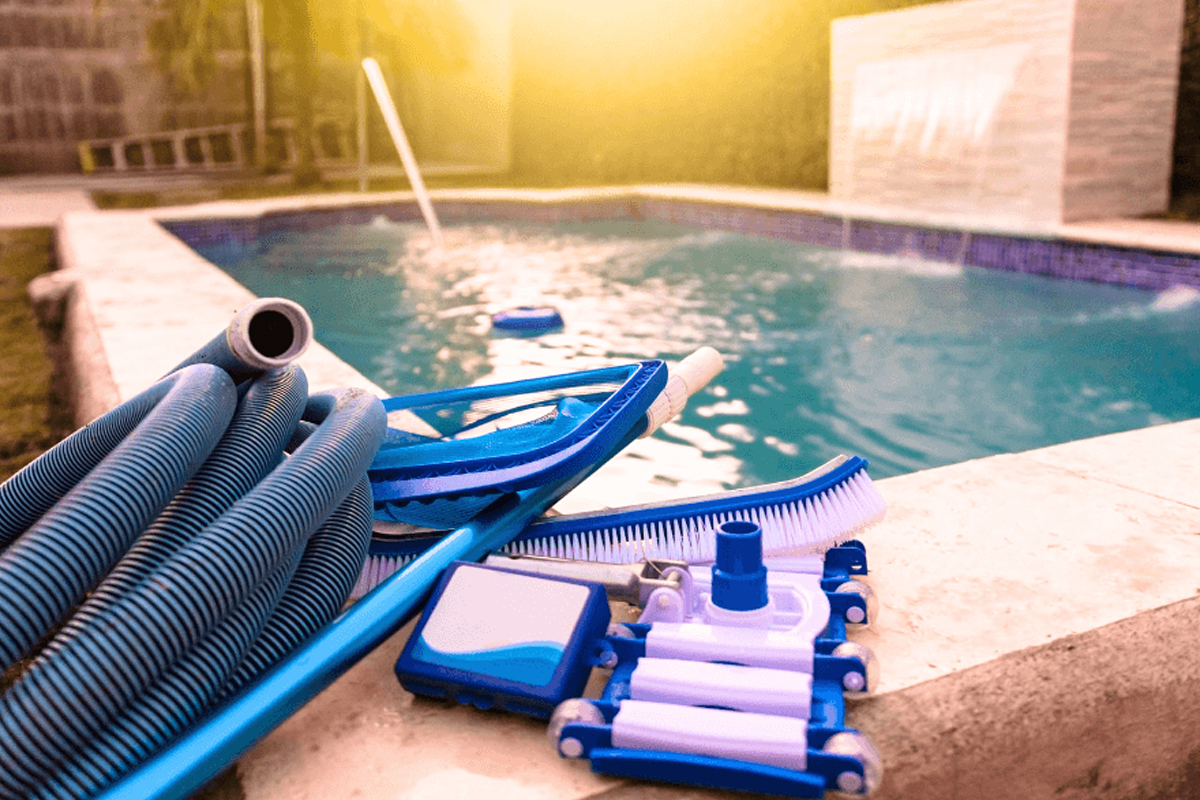
These items handle most cleaning needs and are safe for regular use:
- Mild dish soap
Helps break down body oils, sunscreen residue, and light dirt without harming the pool material. - Warm water
Makes cleaning more effective by loosening grime and dried residue. - Soft sponge or microfiber cloth
Cleans the surface without scratching or weakening the vinyl. - Bucket
Used to mix cleaning solutions and rinse tools during the process.
Helpful Extras for Deeper Cleaning
These items are useful for stubborn marks or textured surfaces:
- Baking soda
Acts as a gentle scrub for light stains and slippery buildup on the pool floor. - White vinegar
Helps remove waterline marks, mineral residue, and dull patches caused by hard water. - Soft-bristle brush
Works well on textured areas, seams, and corners where dirt tends to settle. - Small net or strainer
Makes it easy to remove leaves, insects, and debris before scrubbing.
What to Avoid When Cleaning
Using the wrong tools or products can shorten the life of an inflatable pool:
- Abrasive scrubbers
These can scratch the surface and weaken seams. - Strong household cleaners
Products meant for bathrooms or floors may damage PVC and vinyl. - Direct use of bleach
Bleach can cause fading, cracking, and surface thinning. - Hard brushes or scouring pads
These can lead to tiny tears that grow into leaks over time.
Inflatable pools are usually made from PVC or vinyl, both of which require gentle care. Sticking to mild, safe materials keeps the pool comfortable to use and helps it last through many seasons of fun.
How Often Should You Clean an Inflatable Pool?
Cleaning frequency depends on how often the pool is used and where it’s placed.
- Light use (1-2 people, shaded area): Clean every 3 to 4 days
- Daily use or kids’ pool: Light cleaning every day, deep cleaning weekly
- Outdoor dusty area: Daily debris removal and frequent water changes
Even if the water looks clear, oils and bacteria can still build up. Regular cleaning keeps problems from starting.
How to Clean an Inflatable Pool: Step-by-Step Process
This is the safest and most effective method for a full clean.
Step 1: Drain the Pool Completely
Start by draining all the water. Use the pool’s drain valve if available, or gently tilt the pool so water flows out evenly. Avoid dragging or folding the pool while it’s still full, as this strains the seams.
Choose a draining spot where water can flow away easily, such as a garden area or drain channel.
Step 2: Remove Loose Dirt and Debris
Once empty, remove leaves, sand, and visible dirt using a dry cloth or small net. Never scrub a dry surface aggressively. Light wiping is enough before washing.
Step 3: Prepare a Safe Cleaning Solution
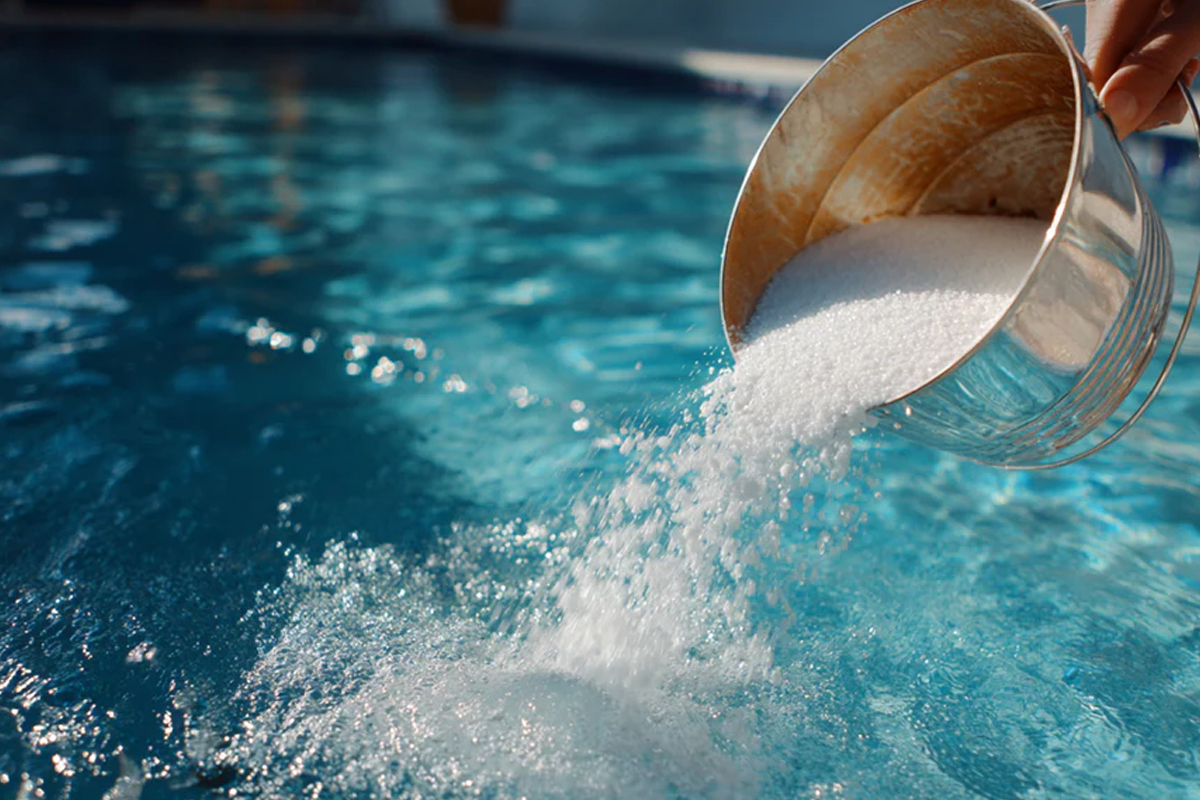
Mix a few drops of mild dish soap with warm water in a bucket. This solution is enough for most inflatable pools.
For problem areas:
- Baking soda paste: Mix baking soda with water for light stains
- Vinegar mix: One part vinegar, three parts water for waterline marks
(Note: Always test a small area first.)
Step 4: Clean the Pool Walls and Floor
Dip the sponge into the cleaning solution and gently scrub:
- Pool floor, where dirt settles
- Side walls, especially the waterline
- Corners and folds
- Inflatable seams
Use circular motions and light pressure. For textured surfaces, a soft-bristle brush helps remove grime without damage.
Step 5: Rinse Thoroughly
Rinse every surface with clean water. Soap residue can make the pool slippery and attract more dirt later. Take your time with this step.
Step 6: Dry Completely
Let the pool air-dry fully. Moisture trapped inside folds can cause mold and bad smells. If needed, wipe with a dry towel and leave it in a shaded, breezy area.
At this point, the pool is ready to refill or store.
How to Clean an Inflatable Pool Without Draining the Water
Sometimes you want a quick clean without emptying everything.
This method works best for light dirt.
Step-by-Step Method:
- Use a small net to remove leaves and debris
- Wipe the inner walls with a sponge dipped in mild soap and water
- Focus on the waterline and areas where hands rest
- Scoop out cloudy water and replace it with fresh water
- Avoid adding cleaning solutions directly into the pool
This method does not replace full cleaning but helps keep water usable between deep cleans.
How to Keep an Inflatable Pool Clean for Longer
If you want less cleaning and more fun, prevention is key. These habits make a big difference.
Daily Habits
- Rinse feet before entering
- Keep food and drinks away
- Remove toys after use
- Cover the pool when not in use
Weekly Habits
- Replace part of the water
- Wipe inner surfaces lightly
- Check seams for dirt buildup
Ground Protection
- Place a mat or tarp underneath
- Avoid grass or dusty concrete surfaces
How to Maintain a Blow Up Pool Throughout the Season
Season-long care keeps the pool usable for weeks.
- Change water every few days during hot weather
- Avoid leaving water sitting unused
- Store inflatable pools indoors overnight if possible
- Clean immediately after pool parties or heavy use
This routine answers how to maintain a blow-up pool while keeping the water safe for regular use.
How to Store an Inflatable Pool After Cleaning
Proper storage plays a big role in how long an inflatable pool lasts, especially if you plan to use it again next season. Before storing it, always allow the pool to dry completely. Any trapped moisture, even in small folds or around seams, can lead to mold, unpleasant smells, or a sticky surface that is difficult to clean later.
When the pool is fully dry, fold it slowly and gently rather than pressing it flat. Sharp creases and tight folds place stress on the vinyl, which can weaken the material over time and increase the risk of cracks or leaks. Keeping the folds loose helps the pool maintain its shape and flexibility.
Store the folded pool in a cool, dry area where it is protected from direct sunlight and heat sources. Prolonged exposure to warmth can cause the material to fade, thin out, or lose its strength. It’s also important to avoid placing heavy items on top, as constant pressure can damage seams and air chambers.
Bottom Line!
A clean inflatable pool makes every splash more enjoyable. With the right steps, safe cleaning solutions, and simple habits, keeping your pool fresh is easy and stress-free. Regular care protects your family, improves comfort, and helps your pool last longer through the season.
Whether your pool is set up for weekend play or daily use, consistency is what matters most. And for larger outdoor setups or garden-based pool areas, advice from swimming pool contractor in Dubai can support safe planning and upkeep.
Follow these steps, stay consistent, and your inflatable pool will always be ready for fun, clean water, and peace of mind.
FAQs
Can I use bleach to clean an inflatable pool?
Bleach can weaken vinyl and cause fading. Mild soap is safer.
How long can water stay in an inflatable pool?
Ideally, replace water every 2 to 3 days, sooner with heavy use.
Is vinegar safe for inflatable pools?
Yes, when diluted. It works well on mineral marks.
How do I prevent algae?
Change water often, clean surfaces regularly, and avoid leaving water stagnant.
Can I use a pressure washer?
No. High pressure can damage seams and cause leaks.